

v2 helicopters
Become a Commercial Helicopter Pilot. In Brisbane.
Get your Commercial Pilot Licence with flexible training that fits your life – starting at Archerfield Airport.
Whether you’re career-changing, building toward charter work, or chasing instructor ratings, V2 Helicopters gives you clear structure, experienced instructors, and a pathway that actually leads somewhere.
35,000+ flight hours. Real-world training. Job-ready skills.
Train at your own pace or go intensive. Either way, you’ll learn the habits that hold up in busy airspace, not just perfect conditions.
Clear pricing. Flexible scheduling. Real support from lesson one to flight test.
Commercial Pilot License Brisbane
A Commercial Pilot License in Brisbane is the qualification that allows a pilot to fly a helicopter for hire or reward under Australia’s aviation rules. Get your camera ready, because you can learn to fly at your own pace with flexible training that fits real life, and we’ll guide you from the first lesson to the flight test from Archerfield.

Getting Started
What are your requirements
Must be at least 18 years of age at the time of your flight test
You must be an Australian citizen; OR
A permanent humanitarian visa holder who will be a resident of Australia for the duration of the unit of study; OR
Are a qualifying New Zealand citizen and met the requirements, which are:
- hold a special visa category, such as the New Zealand Special Category Visa (SCV);
- has been usually resident in Australia for at least 10 years;
- was a dependent child when he or she was first usually resident in Australia;
- has been in Australia for periods totalling 8 years during the previous 10 years; and
- has been in Australia for periods totalling 18 months during the previous 2 years.
The Symbiotics ADAPT assessment must be completed and passed prior to commencing your enrolment. The assessment is at a cost to you of $220 and takes approximately two hours to complete. Flight One School of Aviation would need to arrange this for you.
Symbiotics do offer practice tests to familiarise you with the testing process and better prepare you for the ADAPT assessment
You must provide a copy of your Australian Year 12 High School certificate; OR
- Provide evidence of successful completion of an Australian Qualifications Framework Certificate IV or higher qualification (where the language of instruction is English) or at a level in a framework that preceded the AQF that is equivalent to level 4 or above in the AQF; OR
- Displaying competence at Exit Level 3 in the Australian Core Skills Framework in both reading and numeracy through an approved BKSB Language, Literacy and Numeracy (LLN) test which is conducted at Flight One School of Aviation. Flight One must reasonably believe that you show competence in completing the course.
You must hold a CASA Class 1 medical certificate to fly solo.
You must hold an ASIC (Aviation Security Identification Card) during your training.
Explore Your Aviation Pathway
Course Overview
If you are aiming for a commercial career, the pathway usually moves through three stages: foundations, structured skill building, then test readiness. CASA’s CPL guidance explains that aeronautical experience requirements differ depending on whether you complete an integrated course, and for helicopter applicants it shows 100 hours (integrated) or 150 hours (non integrated) of aeronautical experience, with required pilot in command time and instrument components.
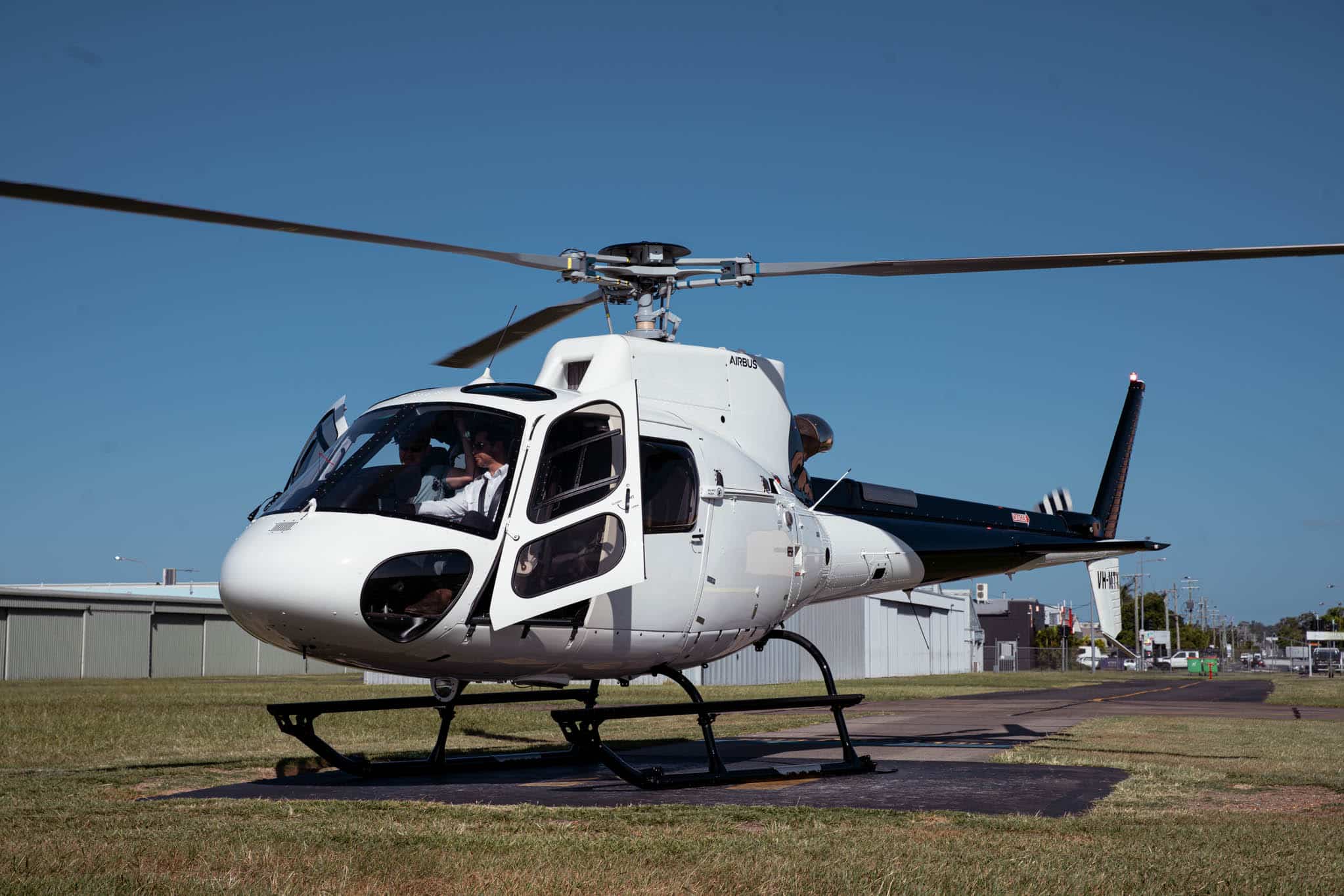
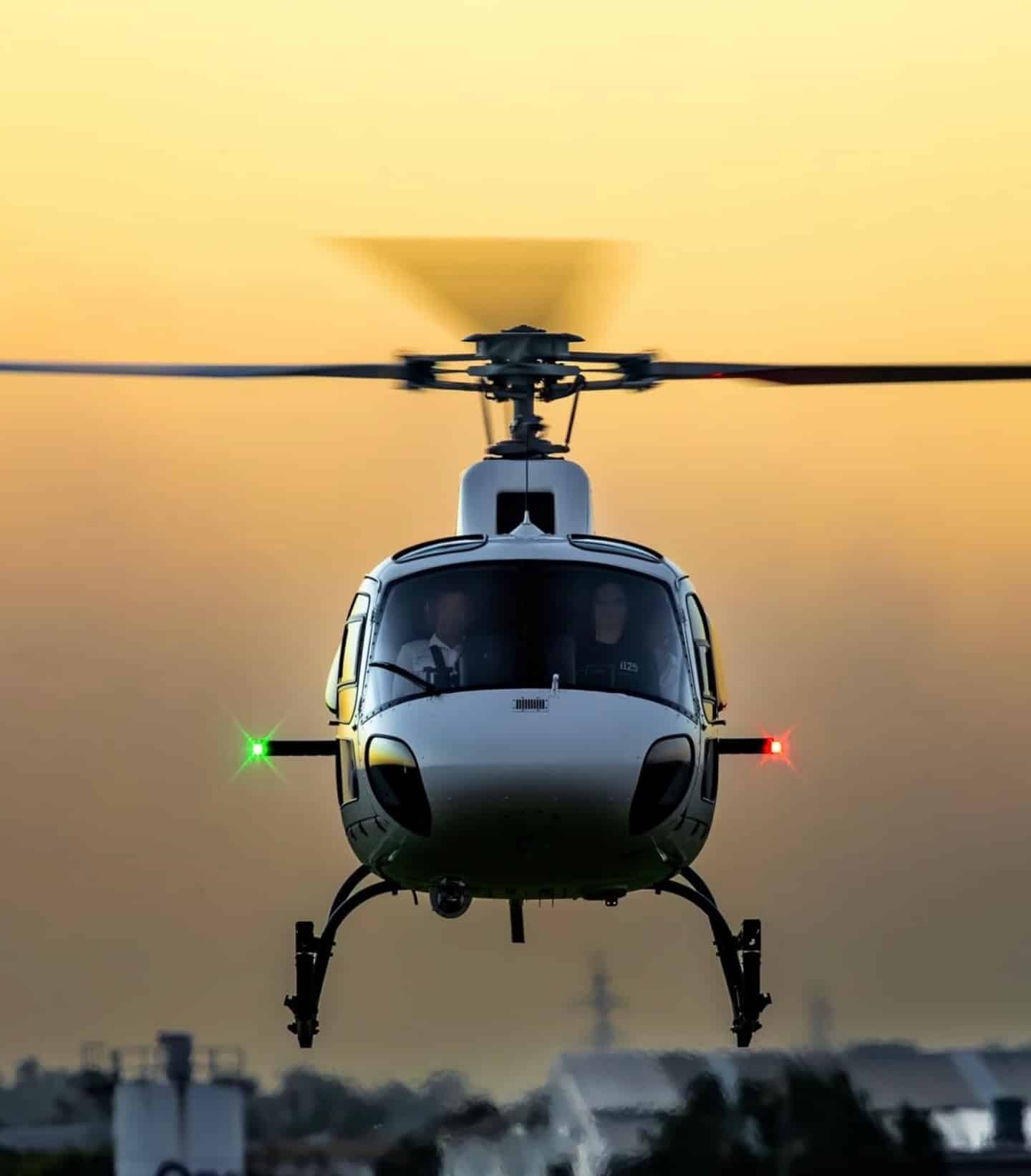
At V2 Helicopters we combine a practical course structure with the mindset of a working operator. We are Brisbane’s longest running helicopter team, with 35,000+ flight hours in Queensland, so our instructors teach habits that hold up on a busy day, not just in perfect conditions.
COURSE STRUCTURE
Training Options
Two pathways. Full-time or part-time. Self-fund or VET Student Loan — your choice
Commercial Pilot Licence – Helicopter
Our course is ideal for those who wish to complete the commercial helicopter licence self-funded and, therefore, not tied to a VET Student Loan. We take you from zero experience right through to industry-ready training. Available as a full-time course (approximately 28 weeks) or part-time with flexible scheduling so you can keep your job while you train. Students will attend theory on scheduled days each week, and flight schedules will vary according to operational requirements.
$
96,467
Non-Tuition Fees
- 28 Weeks Duration (Full-Time)
- Flexible Duration (Part-Time)
- 7 CASA Theory Exams
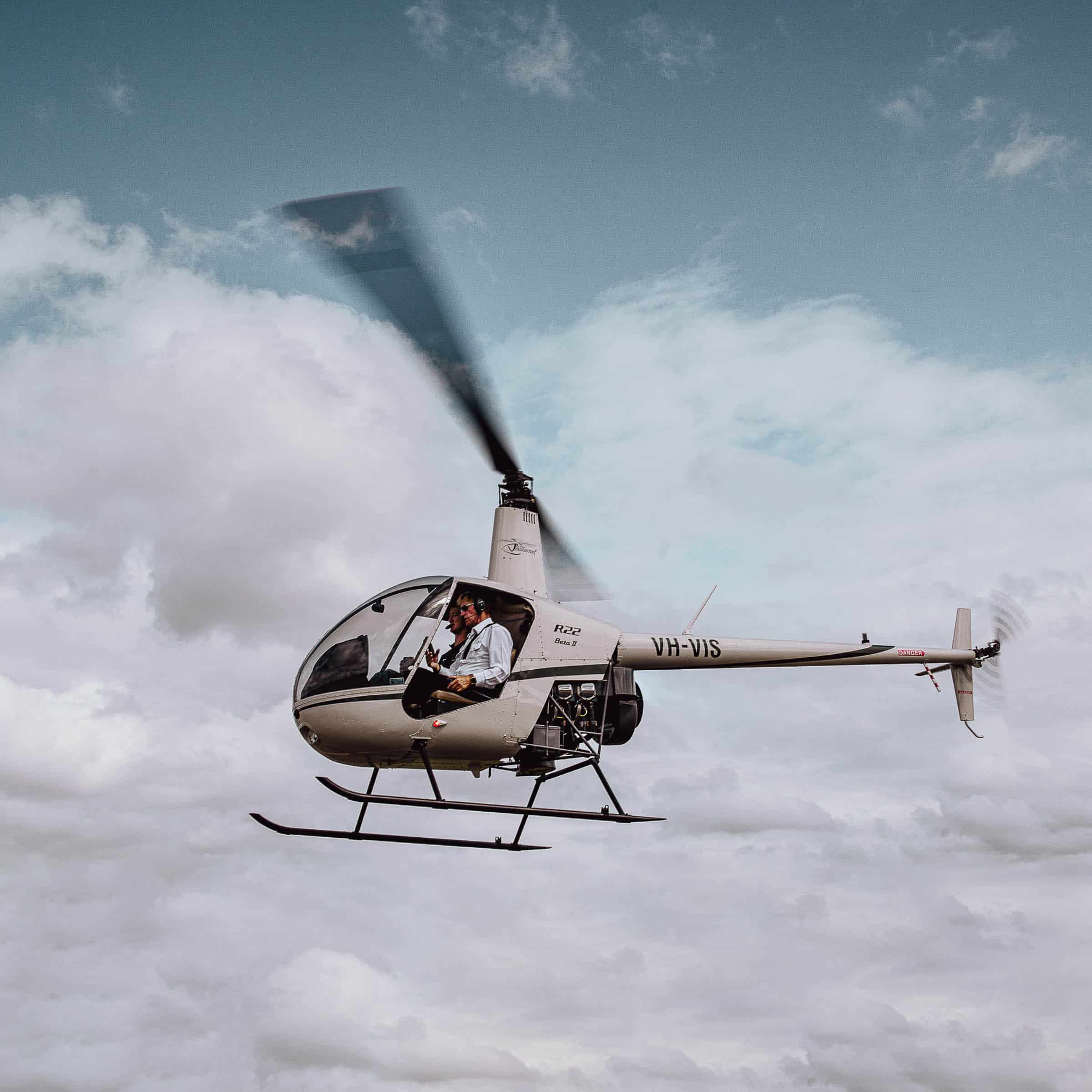
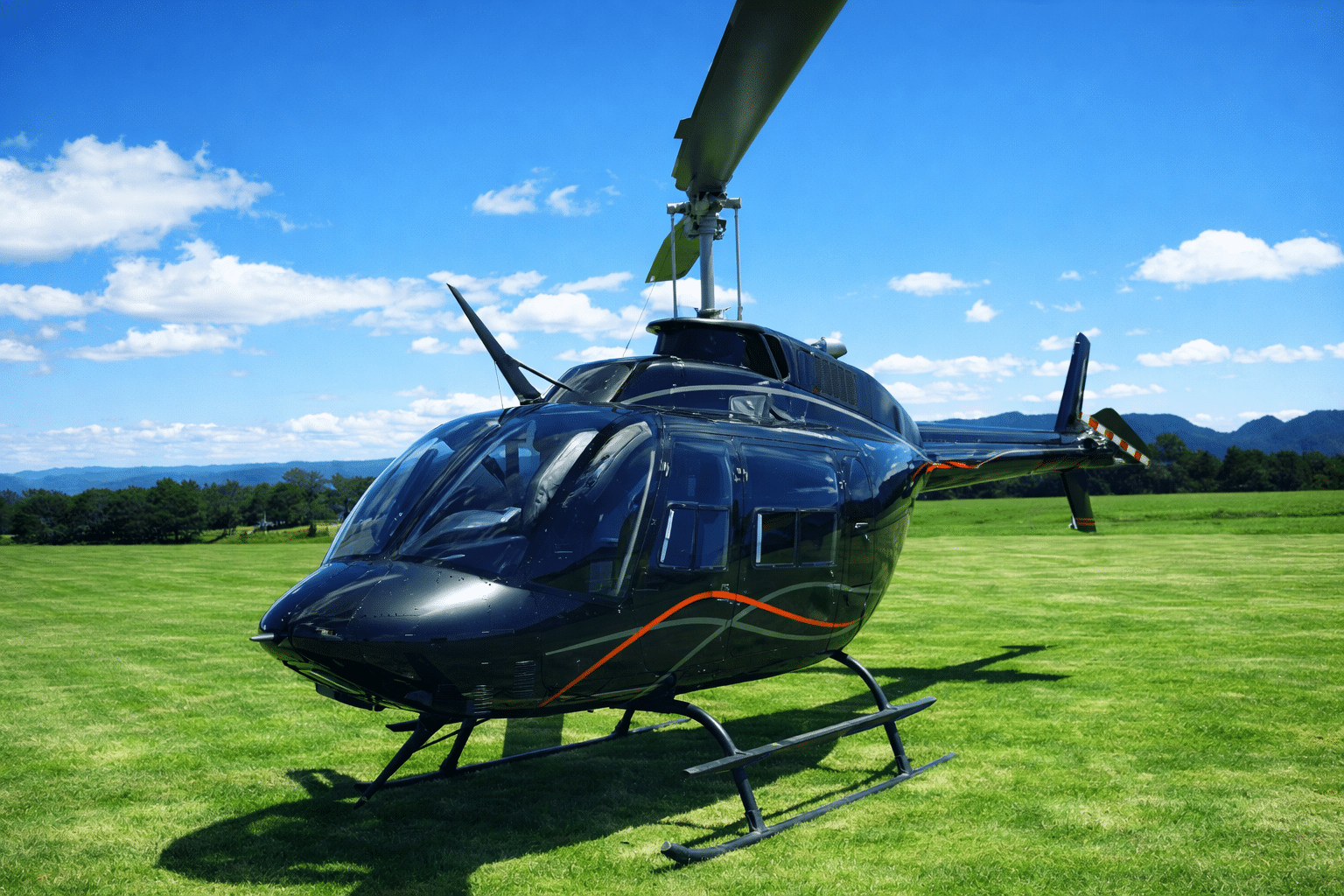
- 85 Hours Robinson R22
- 20 Hours Robinson R44
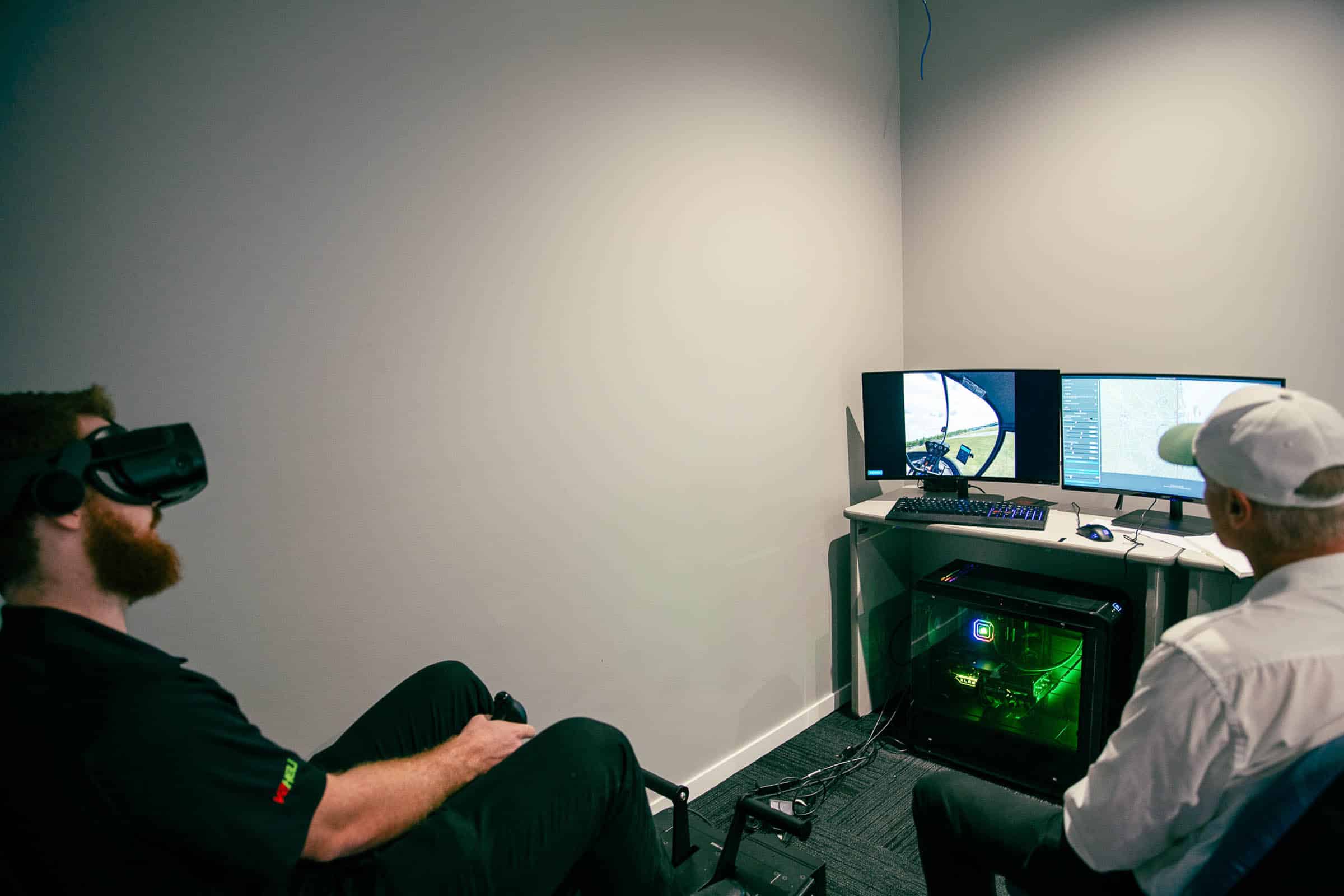
- 6 Hours HeliMod Mark III Simulator
- Commercial Flight Test
- Low Level Flight Test
- Theory and Navigation Equipment
Request Information Pack
Self Funded
AVI50322 Diploma of Aviation (Commercial Pilot Licence – Helicopter)
In partnership with Flight One School of Aviation, RTO 31285, V2 Helicopters delivers the AVI50322 Diploma of Aviation (Commercial Pilot Licence – Helicopter). This nationally recognised qualification takes you from no flying experience to becoming a fully qualified and highly employable pilot. Available as a full-time course (26 weeks) or part-time course with flexible scheduling so you can keep your job while you train. Both options are available with VET Student Loan funding for eligible students – train now, pay later.
$
96,467
Non-Tuition Fees
- 28 Weeks Duration (Full-Time)
- 52 Weeks Duration (Part-Time)
- 16 Units of Competency
- 7 CASA Theory Exams
- 85 Hours Robinson R22
- 20 Hours Robinson R44
- 6 Hours HeliMod Mark III Simulator
- Commercial Flight Test
- Low Level Flight Test
- Theory and Navigation Equipment
- Nationally Recognised Diploma Certificate
Request Information Pack
VET Student Loan
Next CPLH Course Dates
- April 20, 2026 (part-time) – Applications Open – (Applications Cut-off Date – Friday – 03.04.2026)
- July 20, 2026 (part-time) – Applications Open – (Applications Cut-off Date – Friday – 03.07.2026)
- July 27, 2026 (full-time) – Applications Open – (Applications Cut-off Date – Friday – 10.07.2026)
- September 14, 2026 (part-time) – Applications Open – (Applications Cut-off Date – Friday – 28.08.2026)

Theory Training – Full-Time vs Part-Time
Full-Time
- Theory Days: 3 days per week (e.g. Monday, Wednesday, Friday)
- Class Times: 8:00 AM – 12:00 PM
- Structure: Intensive, structured timetable designed to complete all theory subjects within approximately 6 months.
- Support: Access to instructors on theory and flying days for extra help.
- Best For: Students who can commit to training as their main focus and want to graduate quickly.
Part-Time
- Theory Days: 1–2 days per week (scheduled around your work commitments)
- Class Times: 8:00 AM – 12:00 PM (some flexibility available)
- Structure: Extended timetable allowing more time between classes to study and balance other responsibilities.
- Support: Same instructor access and resources as full-time students, with additional flexibility for self-study and catch-ups.
- Best For: Students wanting to keep their current job while training, or those needing a slower pace without sacrificing quality.
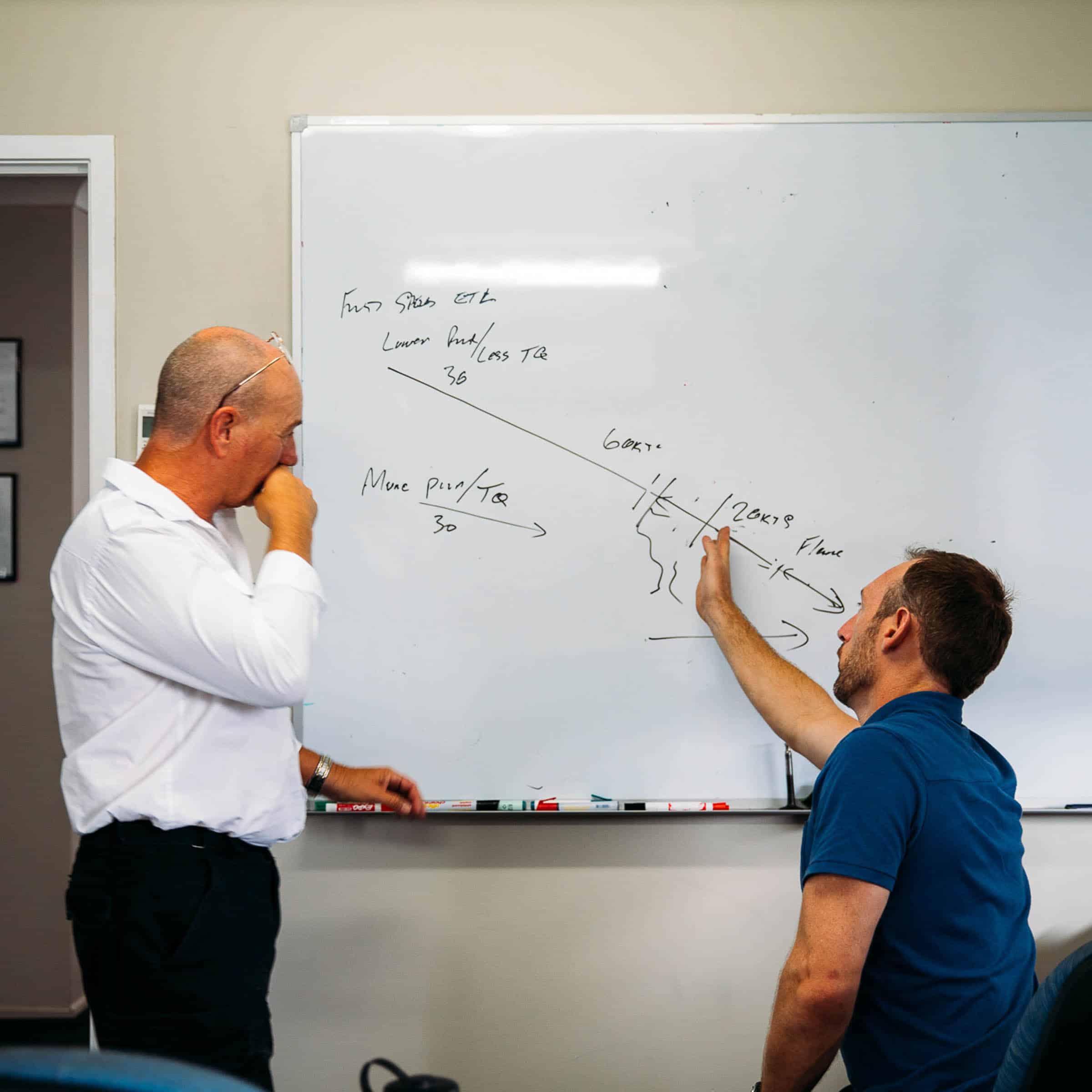
- Human Factors (Study of the body’s limitations)
- Aircraft General Knowledge (Engine and Helicopter Systems)
- Aerodynamics (Understanding the various aerodynamic effects involved in flying)
- Meteorology (Study of the weather and how to read aviation forecasts)
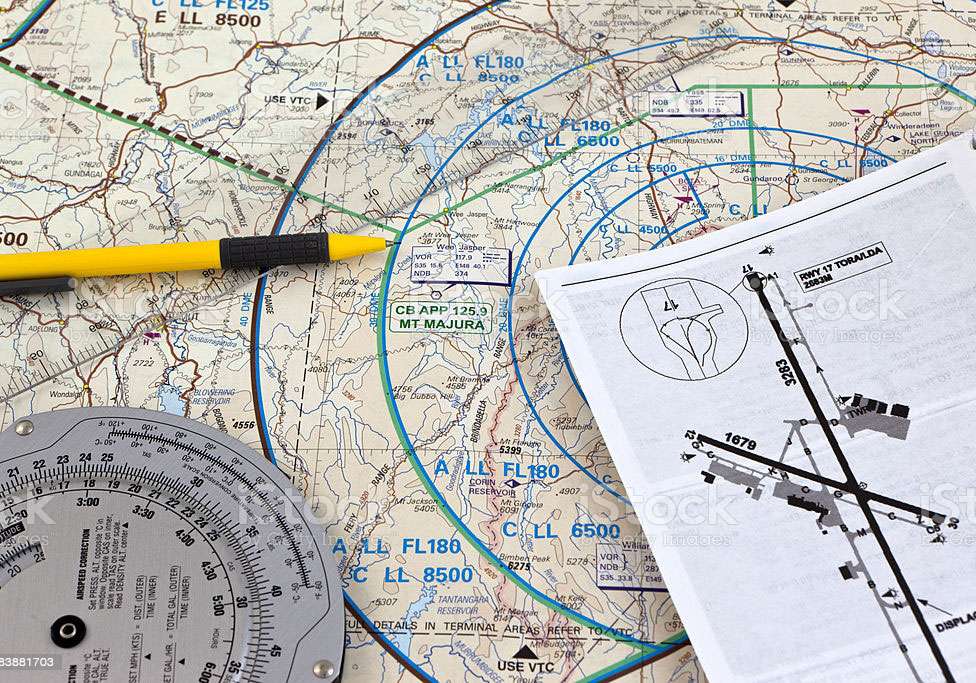
- Navigation (How to read maps and plan flights)
- Air Law (Understanding the rules and regulations surrounding aviation)
- Operations Performance and Planning (How to calculate aircraft weight & balance)
At V2 Helicopters, we offer two training pathways to become a commercial helicopter pilot — the self-funded Commercial Pilot Licence and the AVI50322 Diploma of Aviation (Commercial Pilot Licence – Helicopter). Both options can be completed full-time for fast-track training or part-time with flexible scheduling so you can keep your current job while you study.
The self-funded CPL(H) is ideal for those who prefer to finance their training independently and avoid a government loan. The AVI50322 Diploma, delivered in partnership with Flight One School of Aviation (RTO 31285), is a nationally recognised qualification eligible for VET Student Loan funding for approved students — allowing you to train now and pay later.
No matter which pathway you choose, you’ll receive high-quality, scenario-based flight and theory training that prepares you for a successful career in aviation.
Pricing & Plans
Ad-Hoc Training prices
Flying Hours
| R22 Helicopter (Max Weight 105kg) | |
| Pay-as-you-go | $680 /hr |
| 10-Hour Block | $6,600 |
| R44 Helicopter (Max Weight 135kg) | |
| Pay-as-you-go | $1039 /hr |
| 10-Hour Block | $9,890 |
| Bell 206 (Max Weight 135kg) | |
| Pay-as-you-go | $1599 /hr |
| 10-Hour Block | $14,600 |
Theory
| Private Theory Course | |
| Human Factors | |
| Aircraft General Knowledge | |
| Aerodynamics | |
| Meteorology | |
| Navigation | |
| Air Law | |
| Ops, Performance and Planning | |
| $7,350 | |
| CASA Exam Booking Fees | $169.34 – $195.45 |
| CPL-H Resource Pack | $359 |
other
| Aviation Reference Number | $0 |
| Medical Examination & Certificate | $800* |
| Aviation Security ID Card | $280* |
| Flight Test Fee | $1,732.50* |
*Prices may vary depending on personal circumstances
Enquire NOW
BOOK A TRIAL LESSON
Study Streams and Specialisations
Your course can be tailored to the flying you want. Some students want charter and tourism. Others want airwork, aerial photography, or a longer plan that includes instructor training and ratings. We help you choose a stream, build the right sequence of endorsements, and stay focused on employable skills.
Training Options and Learning Formats
Not everyone can study full time. We offer flexible schedules, self paced study support, and structured tuition, so you can keep working while you build hours. If you have a tight timeline, we can also plan an intensive block once your theory and skills are ready.
Skills Development and Practical Experience
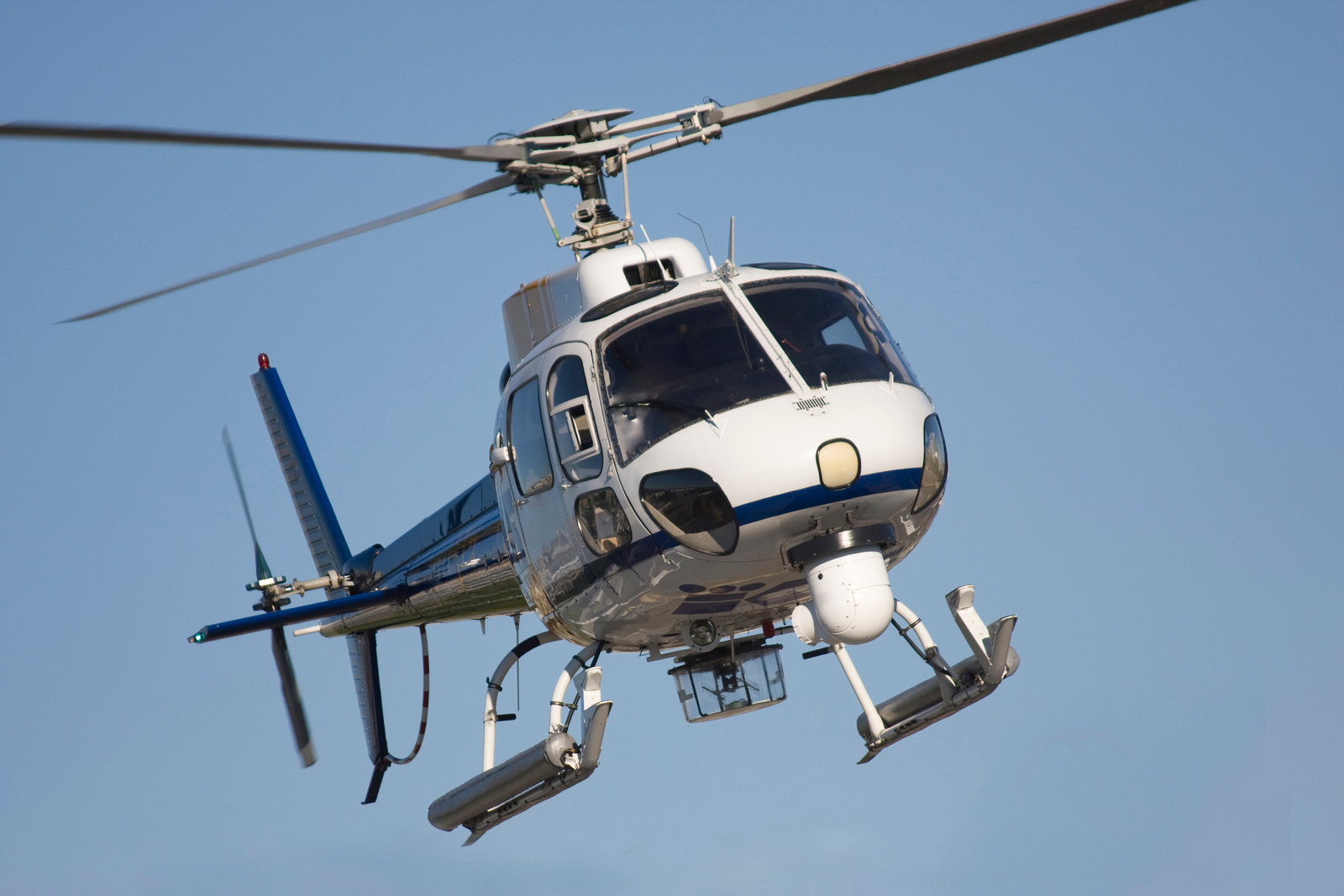
Commercial flying is about consistency. You will learn aircraft handling, emergency procedures, navigation, radio calls, controlled airspace habits, weather decision making, and passenger management. The goal is simple: fly smoothly, think ahead, and make calm decisions when the plan changes.
Aviation Courses and Career Outcomes
Commercial Pilot Licence Journey
Your CPL journey is built around progressive competencies and regular reviews. CASA’s guidance also notes you need a Class 1 medical certificate to sit the CPL flight test and when exercising CPL privileges.
Multi-Engine and Instrument Ratings
Instrument training and an instrument rating can widen opportunities. We will explain what each rating adds, how much time it usually takes, and when it makes sense to invest.
Flight Instructor Training Pathways
Becoming an instructor is one of the most reliable ways to build experience inside strong safety standards. If you want to teach, we shape your habits early: clear briefing, disciplined checks, and plain language explanations.
Charter and Airline Career Opportunities
Most helicopter pilots start in tourism, charter, and entry level commercial work, then progress into specialised roles. Training in Brisbane gives you exposure to busy airspace and real client expectations. If your long term plan includes aeroplane study, we can map when to add it and how to keep it cost effective.
Admissions and Enrolment Support
Entry Requirements and Qualifications
Most applicants start with no aviation background. You will need identification, the right medical standard, and the willingness to study. If you are coming from another school, we can review your logbooks and records and help you avoid redoing completed work.
Application Steps and Important Dates
You can start anytime, but the best starts are planned. We recommend a trial lesson, a theory plan, then a weekly schedule. That keeps your learning consistent and makes payment and time commitments predictable.
Skills Checks and Selection Criteria
A skills check is about preparation and coachability. If you can learn from feedback and keep showing up, you can become a safe, professional pilot.
Recognition of Prior Learning and Credit Transfer
Recognition of prior learning (RPL) can apply when you have documented experience and currency. We assess your hours, endorsements, theory credits, and flight reviews, then advise on the cleanest credit transfer path.

International Students
How to Apply as an International Student
International students can study in Australia, but timelines and visa steps can be detailed. Contact us early so we can explain documentation, processing time, and what you will need before you arrive.
English and Medical Requirements
English matters because radio calls are time critical. For medicals, CASA’s CPL guidance highlights the Class 1 medical requirement for the flight test and privileges.
Life in Australia and Student Support
We help you build a realistic weekly routine: study blocks, lesson times, and catch up sessions, plus local advice for transport and settling into Brisbane.
Study Tours and Short Programs
If you want to test the waters, ask about discovery flights, short programs, and study tours. They are a practical way to confirm the pathway before committing to a full programme.
Industry Pathways and Partnerships
Course Fees and Inclusions
The total cost depends on aircraft type, lesson frequency, and how quickly you reach competency. Cost effective training is mostly about consistency: fly regularly, study between lessons, and arrive prepared.
Payment Plans and Upfront Options
We can discuss payment plans and package options, including upfront blocks for students who want clear budgeting.
Government Funding and Incentives
Some students explore loans or VET style funding, but eligibility changes. If funding matters to your decision, we will help you find official information and the right questions to ask.
Facilities, and Training Environments
Locations and Flight Bases
We train at Archerfield Airport in Brisbane, giving you access to a strong training environment and professional aviation services. That can reduce delays and keep momentum.
Aircraft Fleet and Simulator Technology
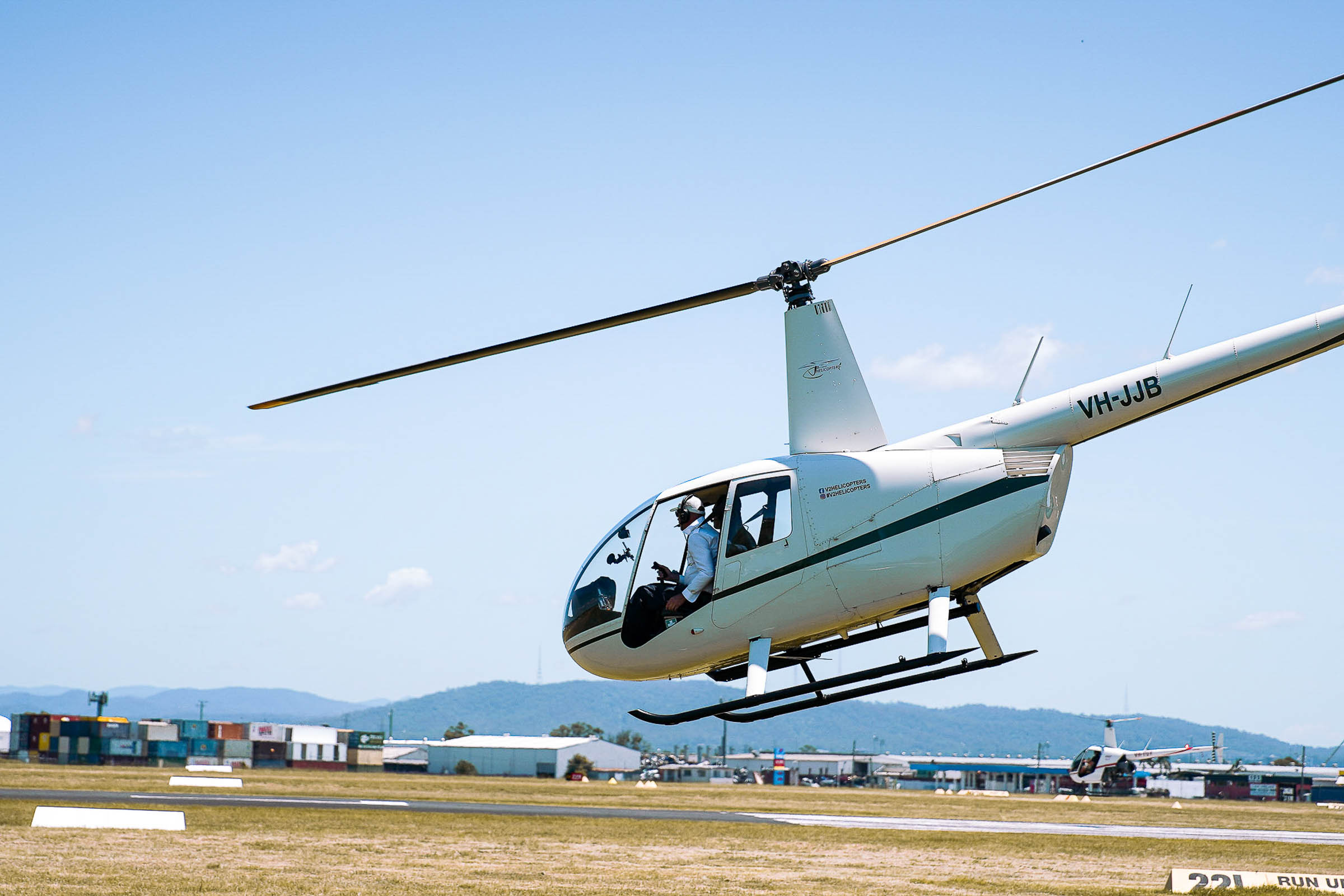
We use a practical fleet and structured briefings to support skill development. Simulation is used where it genuinely helps, but the core is hands on flying with disciplined debriefs.
Student Life and On-Campus Services
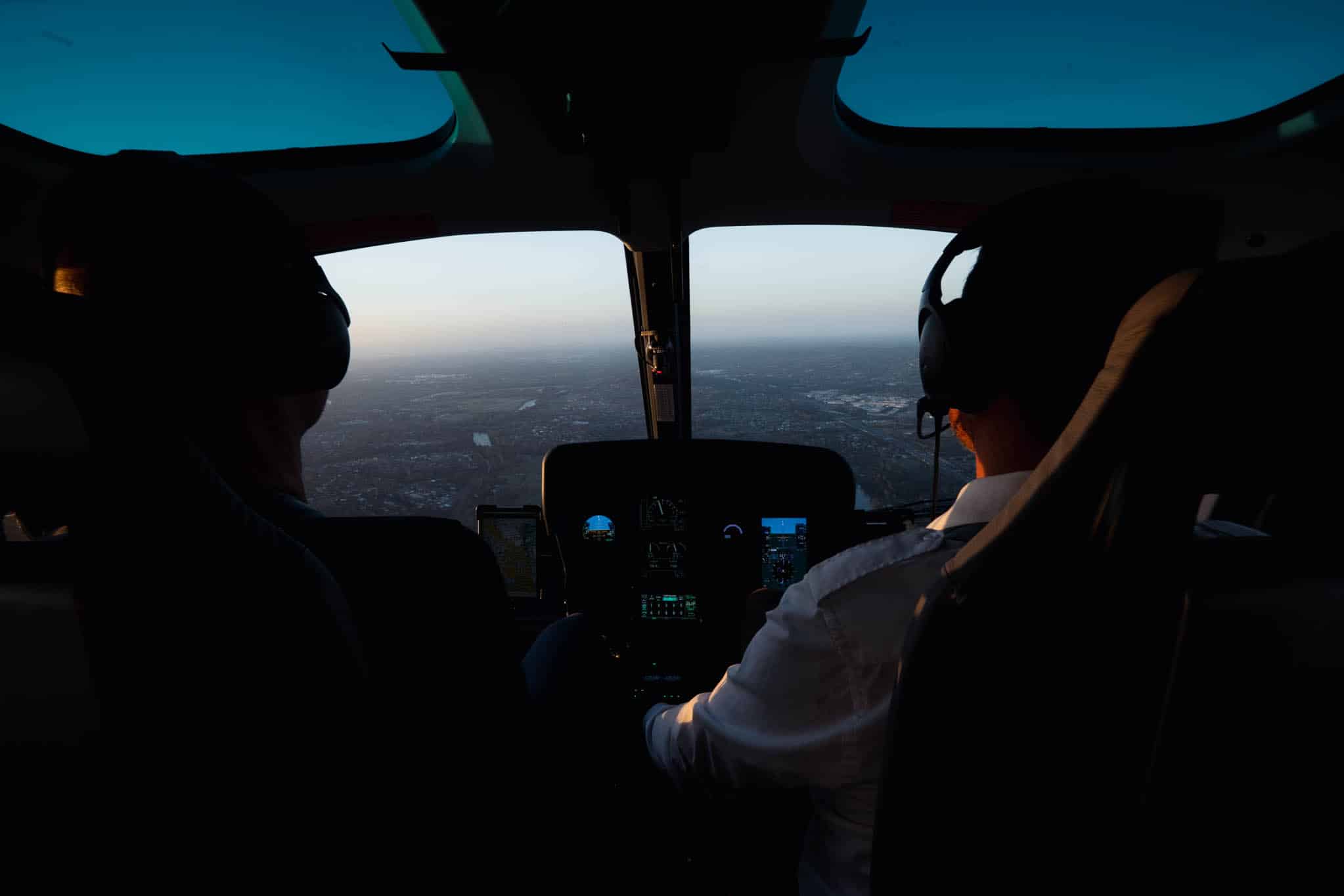
You will learn the rhythm of commercial aviation: pre flight planning, weather checks, weight and balance, passenger briefings, post flight paperwork, and tidy logbook habits.
Industry Sectors
There are a number of different career paths to choose from within the helicopter industry. Some roles require more experience than others but all are rewarding careers. Below is a list of the main helicopter industry sectors to consider when selecting your career path:
- Aerial stock mustering
- Aerial photography and filming
- Scenic joyflights / tourism industry
- Flight instruction
- Bushfire fighting
- Powerline surveys
- Marine pilot transfers
- Helicopter Search and Rescue (SAR)
- Police Air Work
- Helicopter Emergency Medical Service (HEMS)
- Corporate flights / general charter service
- Agricultural crop spraying and livestock herding
- Media, news and traffic reporting
- Offshore (oil industry) services
- Tuna spotting (Tuna Boats)
Industry and Employer Partnerships
Aviation Industry Connections
We stay close to Queensland aviation networks and keep a clear view of what employers value: safe decisions, strong communication, clean records, and a calm cockpit.
Placement Opportunities and Case Studies
In a consultation we can share real progression examples, including how pilots move from training into tourism, then into charter, then into more complex work, plus the common gaps that slow people down.
Employer Engagement and Support Program
We help with practical job readiness: interview prep, CV wording, and logbook presentation, plus honest advice on first roles and timelines.

EMPLOYMENT
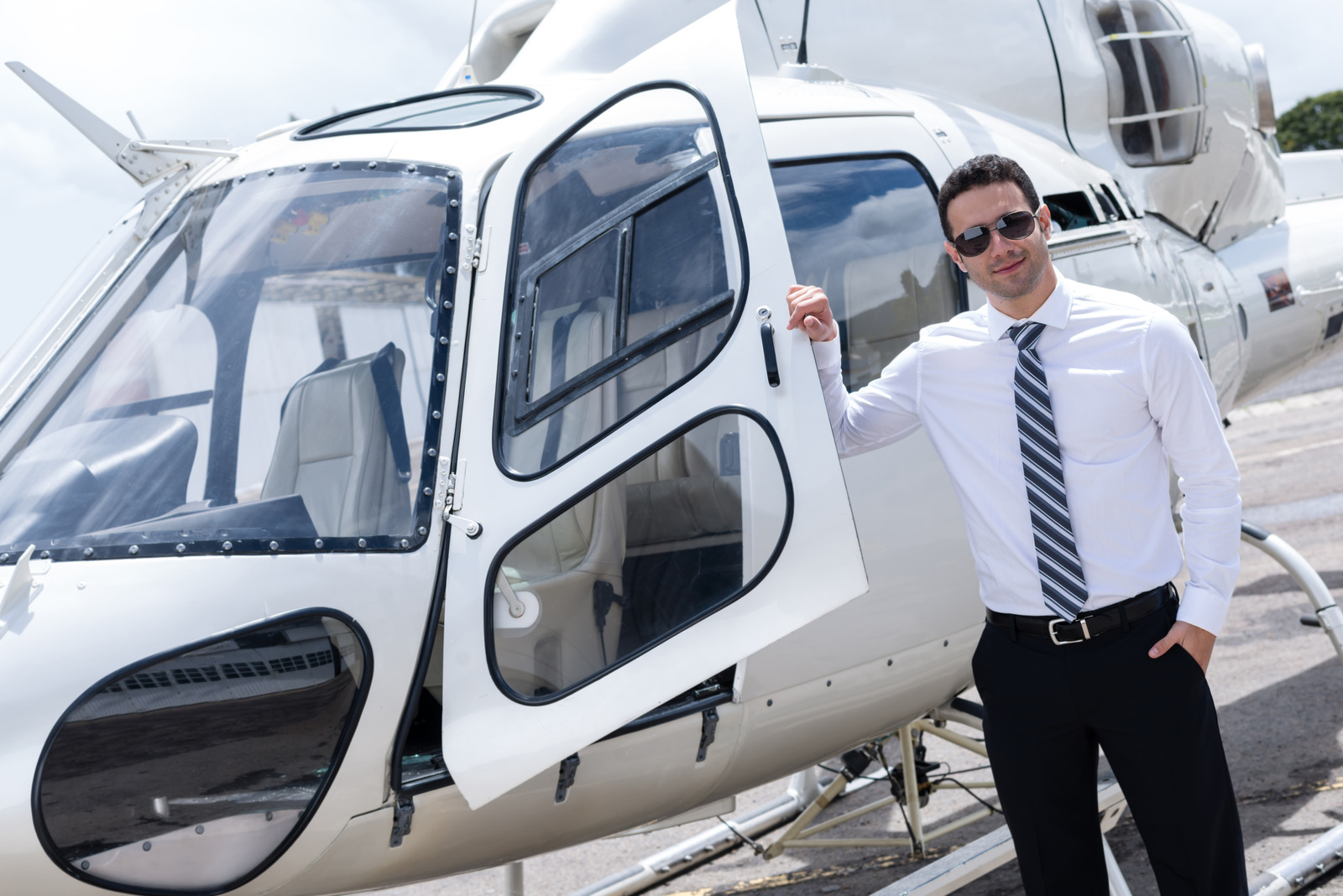
Upon completing your commercial helicopter licence the first thing you should do is research the market to identify which companies are currently employing pilots. Most first helicopter pilot jobs are in the tourism industry so this is a great place to start.
We keep an up to date a list of these tourism operators throughout Australia, complete with contact details exclusively available for V2 Helicopters students. Once you have identified which companies are currently employing, then you need to visit them in person. Always follow up and email with a phone call and, even better a visit in person. Try and set up a meeting beforehand though this is not always possible.
You may have to work on the ground for a period of time before being allocated a flying role. This is normal practice and should be seen as a valuable learning opportunity. We operate a busy charter operation at Archerfield and regularly offer our ex-students the chance to fly a helicopter conducting scenic flights around the Brisbane Area. This is a great opportunity to build your hours required and experience customer interaction.
Always arrive early, well dressed, with a professional appearance and positive friendly attitude.
How to Get Started
Book a Consultation
Tell us your current job, your goal, and your preferred timeline. We will map the course, required steps, and a study plan you can follow.
Schedule a Campus or Hangar Tour
Meet the team, see the helicopters, and ask every question you have. It is the quickest way to feel confident about your school choice.
Ask a Question or Request More Information
If you are comparing Brisbane schools, ask for clarity. We will talk through training options, aircraft, expected study time, and what “commercial ready” looks like.
1
2
3
1
Step 2: Plan
Build a weekly study and flying schedule that fits your life.
2
Step 1: Trial
Book a trial flight and meet your instructor.
3
Step 3: Train
Fly, review, and progress toward your CPL flight test.
Ready to take flight? Book a trial lesson today, or share this page with someone who has always wanted to become a helicopter pilot.
What you get in a typical lesson
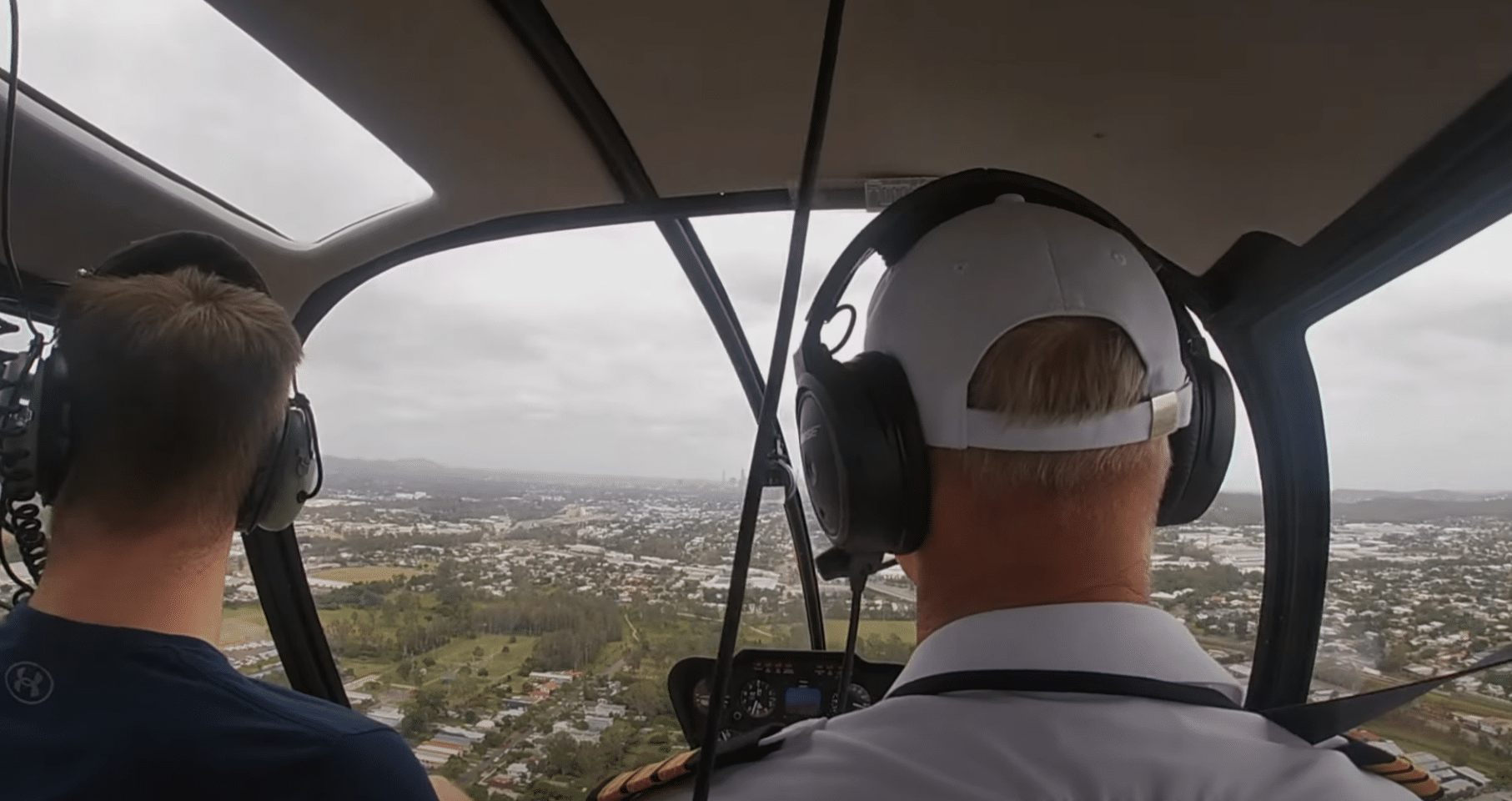
Briefing with clear objectives, safety focus, and a plan for the flight.
Briefing with clear objectives, safety focus, and a plan for the flight.
A debrief with next steps, study tasks, and logbook guidance.
Admin and course terminology you may see
You might see terms like CASA, RTO, CRICOS, VET, TAFE, units, programme guides, campus access, academy intakes, national qualification notes, and course codes such as AVI50222 or AVI50519. Some schools reference FlyLink tools, engineering support, Cirrus aircraft, Griffith pathways, additional services, certificates, diplomas, exams, resources, and self paced web learning. These terms should lead to clearer information, not confusion.
You may also hear VSL, MTO, FTO, VFR, NVFR night, dual instruction, elective units, full-time weeks, tuition, entry criteria, ABN, Pty Ltd, course options.
A practical note on CASA rules
CASA’s guidance points you to Part 61 licensing regulations and explains maintaining privileges, including flight reviews for class ratings and currency expectations.
HEAR WHAT OUR CLIENT’S SAY ABOUT US
Book your Brisbane CPL training
If you want a Brisbane helicopter school that treats you like a person, not a number, contact V2 Helicopters today. Book online or call (07) 3274 6666, and let’s turn your pilot goal into a real plan.
[lc_form id=’nAKmTEewzFbYiIaa0g0V’ title=’Website Enquiry’ ]