






Flying a helicopter is not as hard as most people imagine, and beginners can safely control a helicopter under instructor supervision on their very first lesson. Ever dreamed of flying a helicopter? Take the controls today, because most first-time flyers ll find the real obstacle is fear, not ability, and that fear disappears the moment structured training begins.
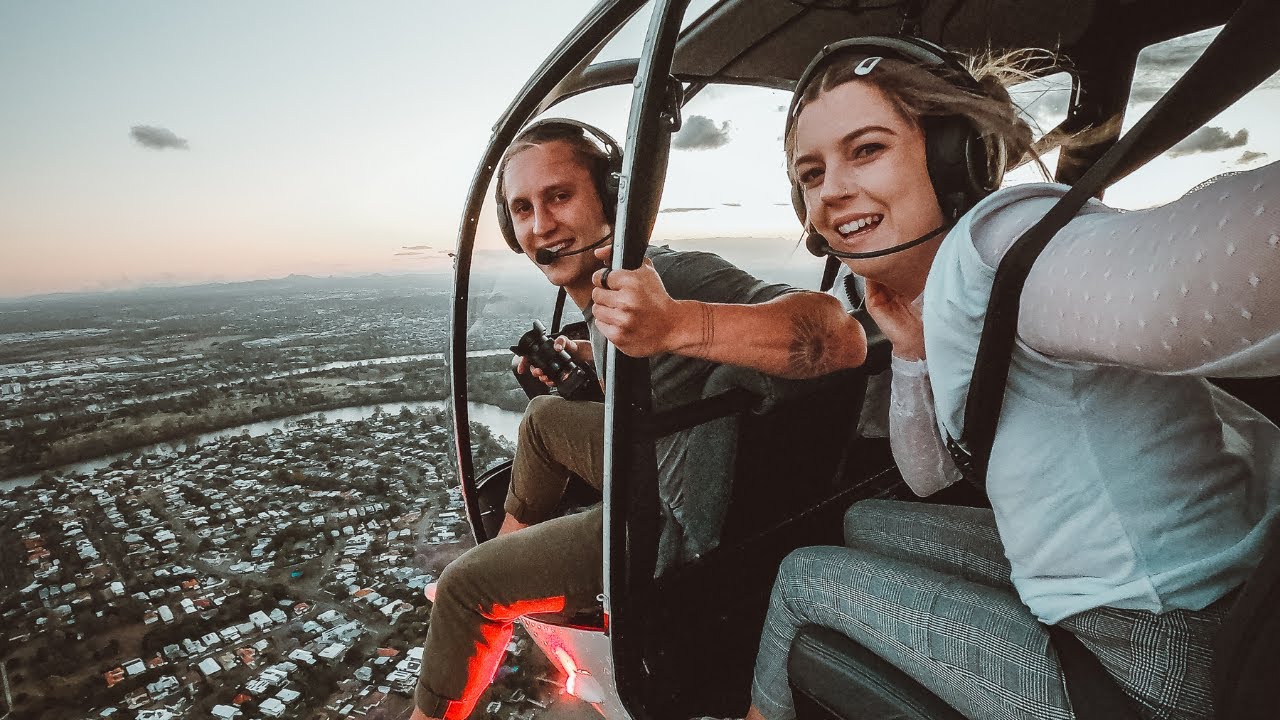
For aspiring pilots in Brisbane, the first lesson often flips anxiety into focus within minutes. Watching the sun sets across the brisbane river, seeing brisbane city stretch toward the gold coast, and realizing your hands are actively flying the helicopter is the instant doubt collapses into excitement. That emotional switch is why helicopter training becomes addictive in the best way.
Flying a helicopter feels intimidating at first, but the structured learning process makes it manageable almost immediately.
Helicopters look complex because they respond in three dimensions at once. However, training breaks that complexity into simple steps. CASA-regulated helicopter schools in Australia follow strict instructional frameworks where beginners are never left unsupported. The instructor guards the controls, explains every movement, and stabilizes the aircraft whenever needed.
From a learning perspective, helicopter flying is coordination, rhythm, and calm repetition. It is not brute strength or extreme reflexes. Once students relax their grip and breathe normally, the helicopter becomes predictable rather than overwhelming.
The first victory is mental. Skill follows quickly after.
Helicopter training starts with three foundational skills:
Early lessons are not about speed or aerobatics. They focus on smooth hovering, gentle transitions, and coordinated turns. Flights often trace recognizable Brisbane landmarks such as the botanic gardens, kangaroo point cliffs, and skyline near the story bridge. Familiar scenery lowers stress and builds spatial confidence.
Students are shocked at how quickly their hands adapt once they stop trying to force the controls.
The biggest myth is that beginners must instantly master hovering.
Hovering looks impossible from the outside, but instructors scaffold the process. Shared control means the instructor absorbs instability while students feel correct inputs. Training helicopters are designed to be forgiving and stable in learning environments.
What beginners expect is chaos. What they experience is guided calm.
The cockpit becomes a classroom, not a battlefield.
A helicopter trial lesson follows a predictable structure:
Arrival briefing Safety overview and control explanation.
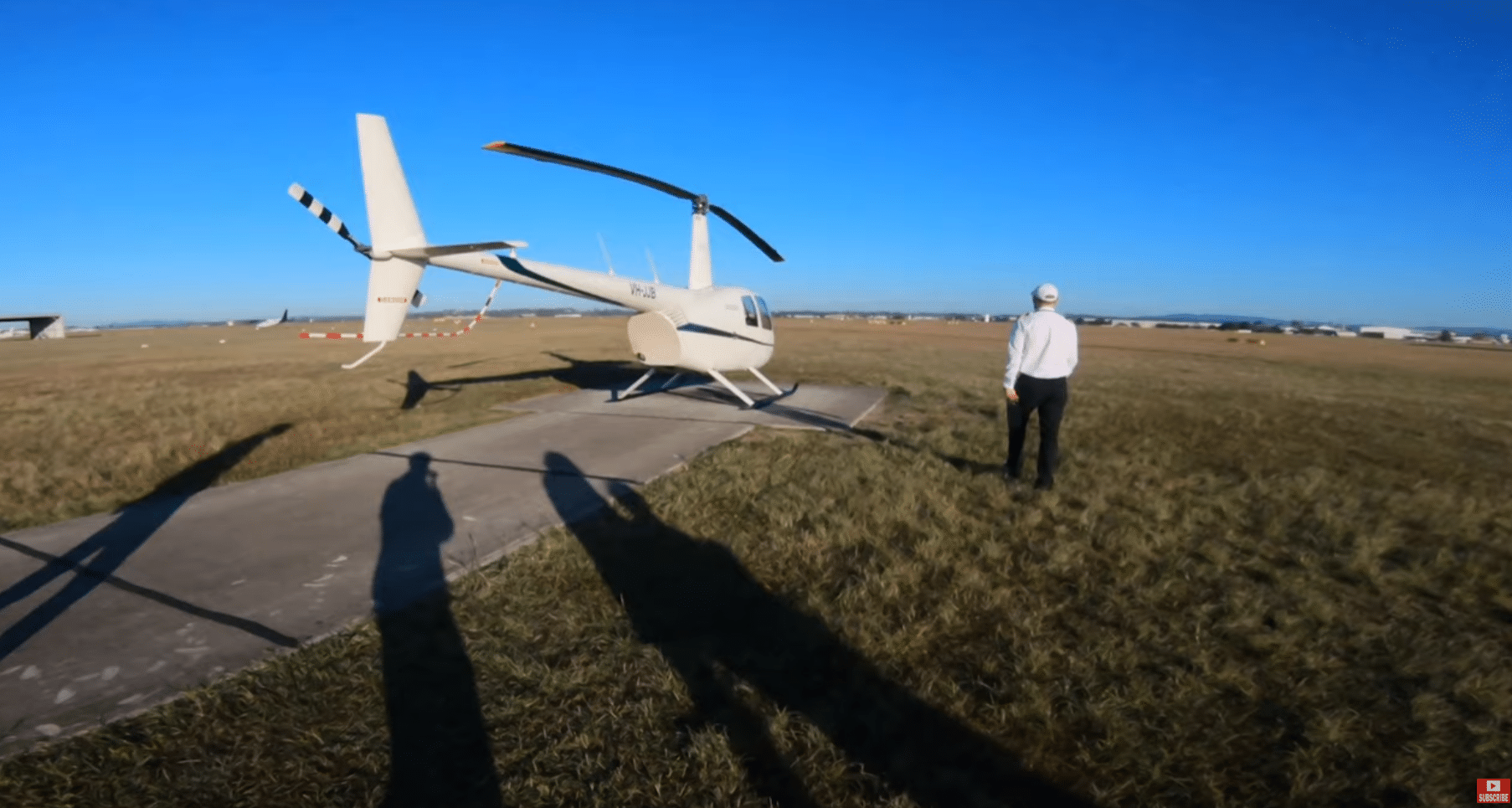
Aircraft walkaround Learning the basics of rotor and system checks.
Instructor takeoff Demonstration of controlled lift.
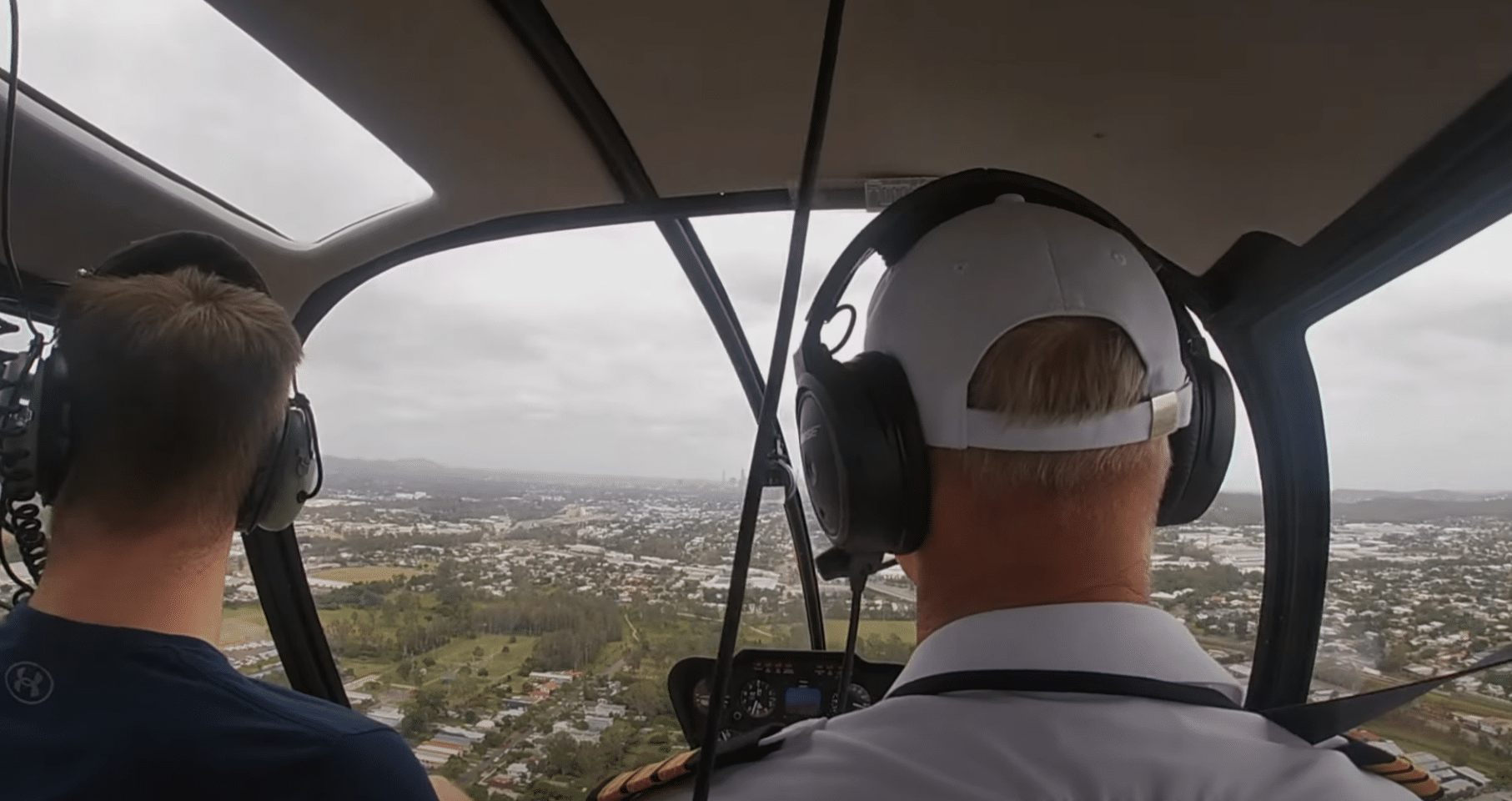
Shared hover and flight You actively control the helicopter.
Instructor landing Observation and debrief.
|
Step |
Experience |
Outcome |
|
1 |
Guided introduction |
Fear turns into curiosity |
|
2 |
Shared hover control |
Confidence builds |
|
3 |
Structured repetition |
Muscle memory begins |
This rhythm replaces panic with familiarity.
Yes. Beginners control cyclic direction, gentle altitude changes, and coordinated turns.
Once the helicopter reaches safe airspace, instructors transfer partial control. Students feel immediate responsiveness. The aircraft reacts to intention in real time, which creates a powerful sense of ownership.
Many first-time flyers laugh midair because they realize they are actually flying.
The hardest part is relaxing your hands.
Beginners tend to grip too tightly and overcorrect. Helicopters reward softness. Once students learn to make fingertip adjustments instead of arm movements, stability improves dramatically.
The challenge is learning calm precision.
The easiest part is forward flight.
Once moving, helicopters behave more like stable aircraft than most expect. Airflow smooths motion, and directional control becomes intuitive. Students are surprised that cruising feels easier than hovering.
That stability builds confidence quickly.
Landing feels more delicate because it requires controlled deceleration and hover precision.
Takeoff is powerful and dramatic. Landing demands finesse. Instructors perform early landings while narrating every movement. Students observe dozens before attempting one.
Learning happens through guided exposure, not pressure.
Helicopter motion feels smoother than imagined. There is vibration, but modern headsets soften fatigue. The emotional peak happens when Brisbane unfolds beneath you.
Seeing coot tha behind the skyline, reflections shimmer along the brisbane river, tiny street food stalls below, and the arch of the story bridge creates the universal “oh wow” reaction. Nerves dissolve instantly.
That moment converts fear into fascination.
Typical beginner mistakes include:
Instructors prevent escalation with pacing and shared input. Calm voice coaching and gradual repetition keep mistakes safe and small.
Helicopter training is designed around correction, not judgment.
Yes, supervised helicopter training operates within strict safety frameworks.
Australian aviation authorities require maintenance schedules, instructor qualifications, and conservative weather limits. Flights are cancelled rather than rushed. Risk management is procedural and layered [find a source for this info].
Safety is engineered into the system.
You do not need a license to try flying a helicopter.
Trial lessons welcome adults of most ages in reasonable health. Bring comfortable clothing, sunglasses, and curiosity. Passion is the only prerequisite.
Many students arrive expecting bureaucracy. They leave realizing aviation is accessible.
Look for:
Avoid operations that rush decisions. Aviation requires trust.
A good school educates before selling.
Wear flat shoes and light layers. Eat lightly. Stay hydrated.
Bring a camera. Many students celebrate afterward at a rooftop bar in brisbane city, replaying the experience while watching helicopters trace the skyline.
Motion sensitivity is rare in calm training conditions.
Most students step out asking what comes next.
After the lesson, instructors outline a pathway. You can continue casually or pursue certification. Schools provide mentorship, study materials, and scheduling flexibility so progression feels clear.
If you have ever watched helicopters cross toward the gold coast or imagined hovering above kangaroo point, the next step is simple: try it. Share your thoughts, ask questions, or book an introductory experience with V2 Helicopters and see Brisbane from the air. Every pilot begins with one controlled, unforgettable lift.