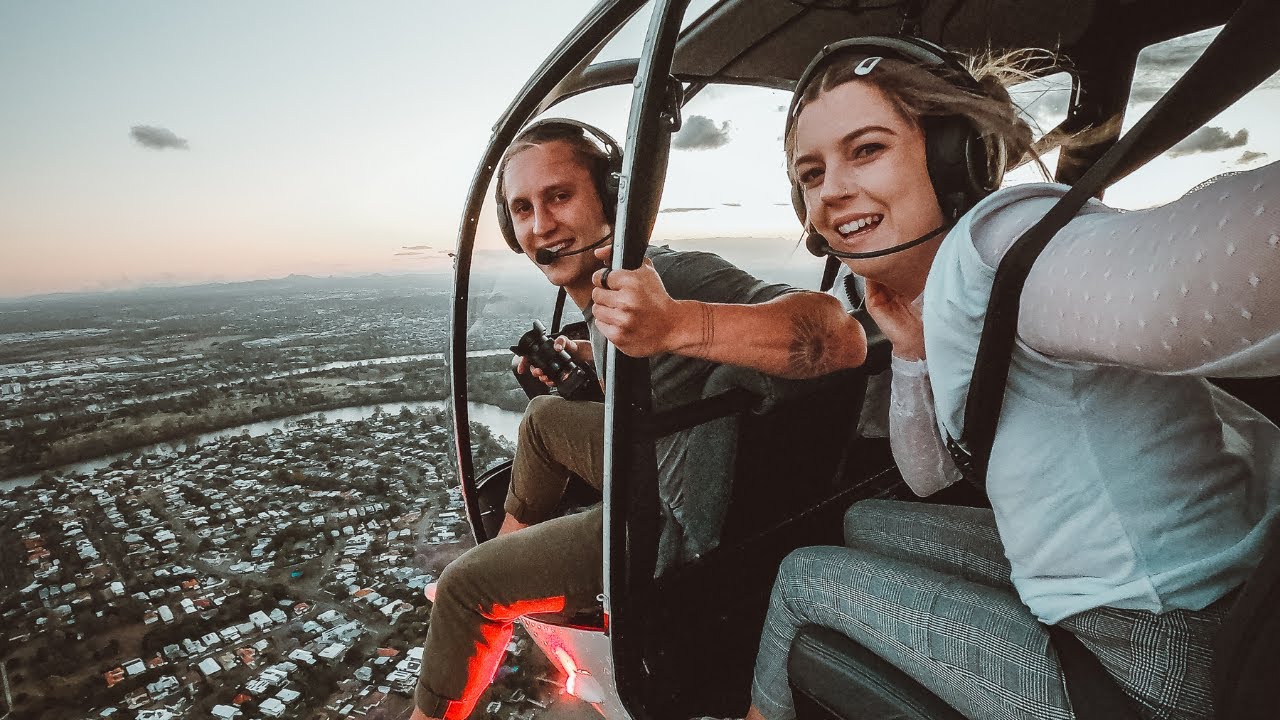
Yes, almost anyone can learn to fly a helicopter if they meet the basic medical and legal requirements and commit to structured training with a reputable flight school in Australia. Ever dreamed of flying a helicopter? Take the controls today and discover that becoming a pilot is not reserved for a select few. Others are learning to fly right now, building real skills in real helicopters, so why not you?
At V2 Helicopters in Brisbane, we have trained students from all walks of life, from 18 year old school leavers to professionals in their 40s changing careers. The common factor is not prior aviation experience. It is commitment, safety awareness, and the right guidance.
Minimum Legal and Age Requirements
In Australia, helicopter pilot training is regulated by the Civil Aviation Safety Authority. To begin training toward a Private Pilot Licence for helicopter, you must:
- Be at least 16 years old to fly solo
- Be at least 17 years old to be issued a Private Pilot Licence
- Hold the appropriate aviation medical certificate
For a Commercial Pilot Licence, the minimum age is 18.
There is no upper age limit. We have seen students in their 50s start their helicopter journey successfully. If you can meet the medical standards and are motivated, you can train.
Medical and Vision Standards for Student Pilots
One of the biggest fears aspiring pilots have is failing the medical. The reality is that most healthy people pass.
For a Private Pilot Licence helicopter, you generally require a Class 2 aviation medical. For a Commercial Pilot Licence helicopter, you need a Class 1 medical, which has stricter standards.
Key areas assessed include:
- Vision, including colour perception
- Hearing
- Cardiovascular health
- General physical and mental fitness
You do not need perfect vision. Glasses or contact lenses are acceptable in many cases. The medical is about safety, not perfection.
If you are unsure, we always recommend completing your medical early in your training to avoid wasting time or money.
Physical Coordination and Cognitive Skills Needed
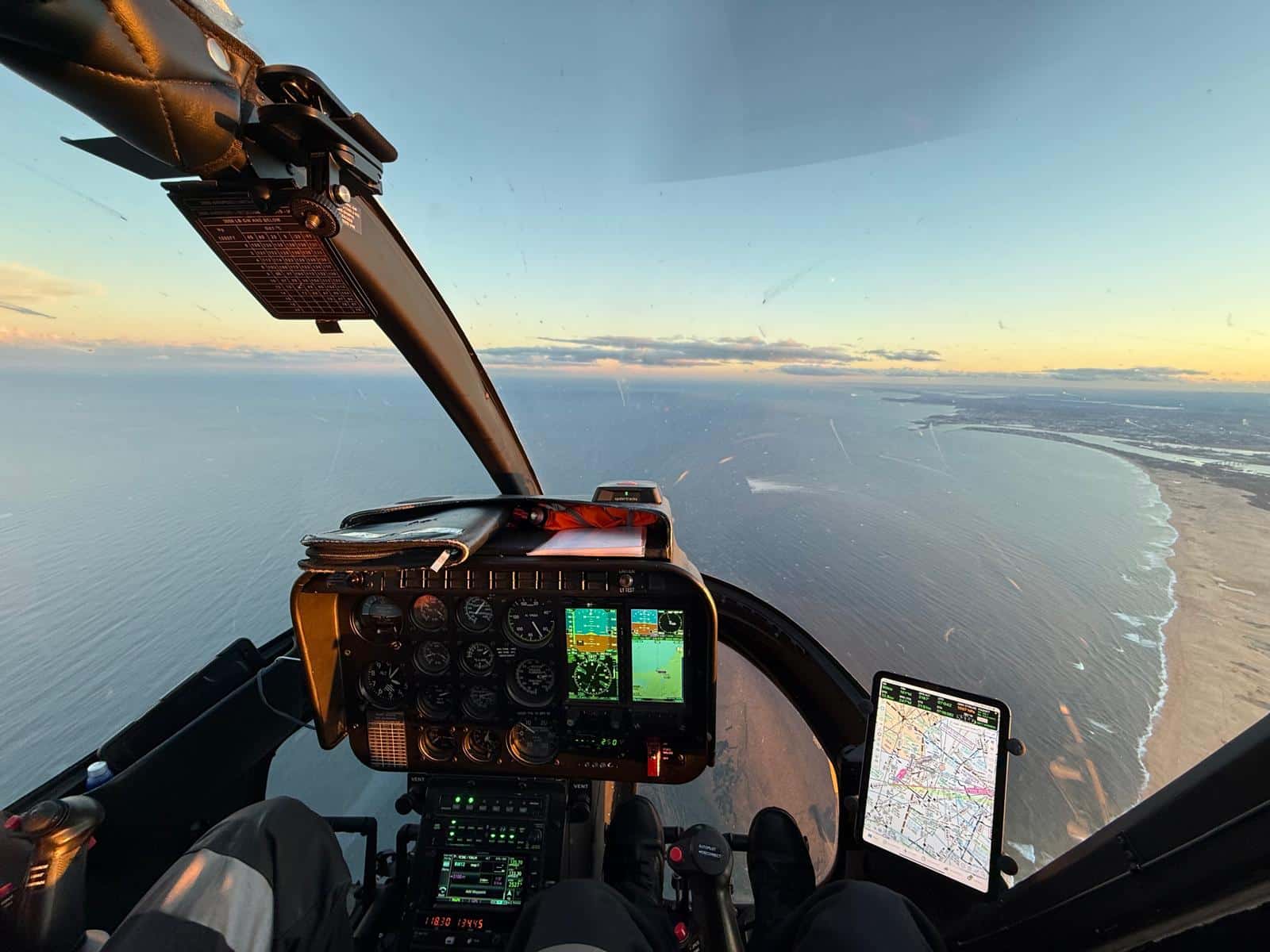
Flying a helicopter requires coordination because you control three primary inputs simultaneously: cyclic, collective, and pedals. At first, it feels like patting your head and rubbing your stomach while balancing on one foot.
But here is what surprises most people. Skill develops quickly with structured practice.
You need:
- Basic hand and foot coordination
- The ability to follow procedures
- Situational awareness
- Calm decision making under pressure
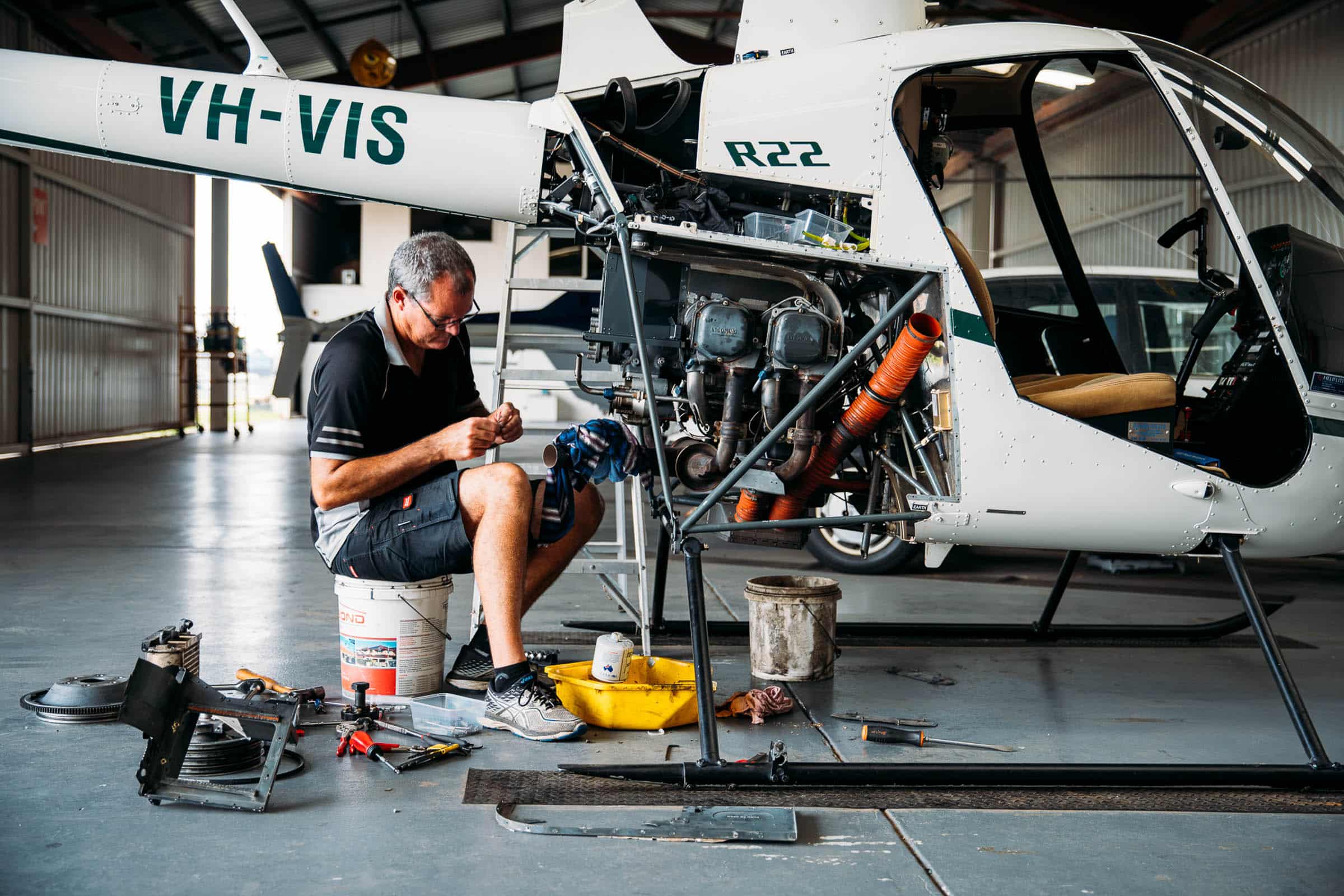
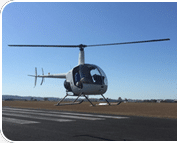
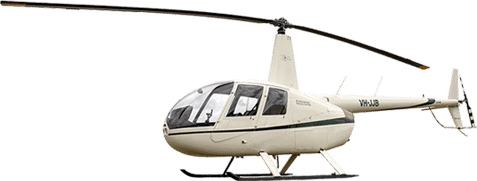
You do not need superhuman reflexes. You need consistency and good instruction. With modern training helicopters such as the Robinson R44, students learn in a stable, well maintained aircraft designed specifically for training.
Do You Need Prior Aviation Experience
No prior aviation experience is required.
We regularly train students who have never taken more than a scenic helicopter ride before. Some have only watched aviation videos online. Others come from completely unrelated careers.
Every great pilot started with one flight. You do not need experience, just passion and the right school.
How Difficult Is Helicopter Flight Training
Helicopter training is challenging, but it is structured and achievable.
Hovering is often the most difficult early skill. It can take several hours before a student feels stable. This is normal.
Training typically includes:
- Aircraft systems knowledge
- Meteorology
- Navigation
- Air law
- Human factors
- Emergency procedures
The key is progressive learning. You build from straight and level flight to circuits, then to navigation exercises, confined areas, and advanced manoeuvres.
It is not about being naturally gifted. It is about disciplined practice and a strong safety culture.
How Long It Takes to Earn a Private Helicopter License
V2 Helicopters – Brisbane’s best helicopter experiences
In Australia, the minimum flight time requirement for a Private Pilot Licence helicopter is 40 hours. Many students complete their licence between 45 and 55 hours, depending on frequency of training and aptitude.
For a Commercial Pilot Licence helicopter, the minimum is typically 105 hours total time.
Timeframe depends on your availability. Some students train full time and complete a Private Licence in a few months. Others train part time over a year or more.
Consistency reduces overall hours because skills stay fresh.
Weekly Time Commitment and Training Structure
If you want to progress efficiently, aim for at least one to two flight lessons per week.
A typical training week may include:
- 1 to 2 flight lessons of 1.0 to 1.5 hours
- Ground theory study sessions
- Pre flight and post flight briefings
Flying once every two weeks slows progress and can increase total cost because of skill regression.
We offer flexible scheduling at Archerfield Airport, just 25 minutes from the Brisbane city centre, which helps students balance work and training.
Simulator Sessions vs In Air Flight Hours
Helicopter training is primarily conducted in real aircraft. While simulators are useful for procedural practice, especially for instrument scenarios, real in air flight time is essential for handling and coordination.
In the helicopter environment, feel and feedback matter. Hovering, autorotations, and confined area operations require real world sensory input.
Simulators can supplement learning. They cannot replace it.
Cost Breakdown of Learning to Fly a Helicopter
Cost is one of the biggest concerns. Think flight training is too expensive? Think again. It is an investment, but it is structured and transparent.
For a Private Pilot Licence helicopter in Australia, you can expect:
- Aircraft hire and instructor fees
- Aviation medical examination
- Theory materials and exams
- Licensing fees
Total cost typically ranges between 35,000 and 50,000 AUD depending on hours required and training frequency. A Commercial Licence requires additional hours and will be higher.
We provide clear pricing, so there are no hidden surprises. Safety and value go hand in hand.
Private Pilot vs Commercial Pilot Career Path
A Private Pilot Licence allows you to fly for personal use. You can take family and friends on flights, conduct scenic trips along the coast, or even land at approved winery destinations for lunch.
A Commercial Pilot Licence allows you to be paid as a pilot. This can lead to work in:
- Aerial photography
- Charter operations
- Coastal scenic flights
- Tourism including reef and island operations
- Utility and sling work
In Australia, commercial pilots may operate in diverse environments, from the Whitsundays to regional Queensland.
Common Challenges New Students Face
Every student faces obstacles. Common ones include:
- Hover frustration in early lessons
- Information overload during theory
- Balancing training with work or family commitments
The difference between those who succeed and those who stop is support and structure. Clear milestones, progress tracking, and open communication with instructors are critical.
Traits That Help Students Succeed
Students who perform well often share similar traits:
- Strong safety mindset
- Willingness to ask questions
- Consistency in attendance
- Realistic expectations
- Genuine passion for aviation
You deserve training that is as serious as your dream. Safety and experience matter when you are learning to fly.
Trial Flight Lesson vs Scenic Helicopter Ride for Beginners
A scenic helicopter ride is designed as a passenger experience. You sit back, enjoy the views, and let the pilot handle the aircraft. It is perfect for couples, family members, gift vouchers, or a special day out over the city or coast.
A trial flight lesson is different.
During a trial lesson, you:
- Receive a pre flight briefing
- Sit in the pilot seat
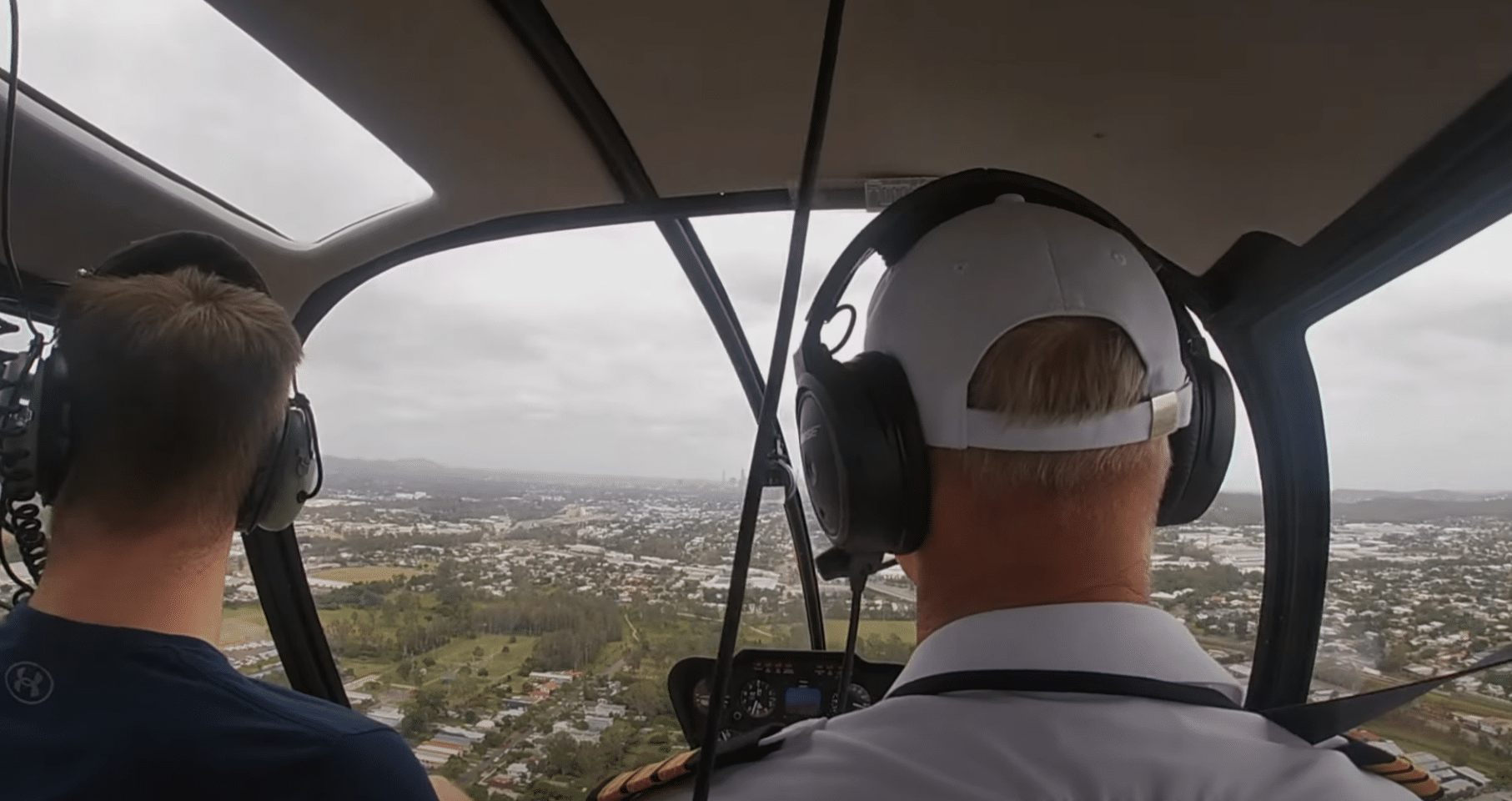
- Follow dual controls with an instructor
- Take control during straight and level flight
If your goal is to learn to fly, choose a trial lesson, not just a scenic ride. It is the best way to discover whether helicopter training is right for you.
Is Learning to Fly Realistic as a Hobby
Yes. Many students pursue helicopter flying purely as a hobby.
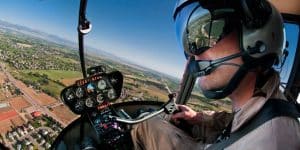
V2 Helicopters – Brisbane’s best helicopter experiences
You can train to a Private Pilot Licence and enjoy:
- Weekend flights along the coast
- Visiting approved island destinations
- Sharing the experience with friends
- Continuing skill development
You do not have to become a commercial pilot to justify training. For many, flying is the ultimate personal achievement.
The 3 Step Path to Becoming a Helicopter Pilot
Step 1
Complete a Trial Flight Take the controls with an instructor and confirm your interest.
Step 2
Obtain Your Aviation Medical Ensure you meet CASA medical standards early in the process.
Step 3
Begin Structured Training Follow a clear syllabus with consistent weekly flights until licence issue.
Simple. Direct. Achievable.
So can anyone learn to fly a helicopter? In most cases, yes. If you meet the medical standards, commit to structured training, and train with a safety focused team, your aviation dream is realistic.
At V2 Helicopters, we have spent over 14 years building a strong safety record and guiding students from their first flight to licence issue. We understand the fears about cost, difficulty, and whether you are capable.
Flying a helicopter is not about being extraordinary. It is about taking one clear step at a time with the right instructors beside you.
Ready to swap the ordinary for the extraordinary? Contact V2 Helicopters in Brisbane to book your trial flight lesson and start your journey in the sky. Your first lesson could be the beginning of something unforgettable.