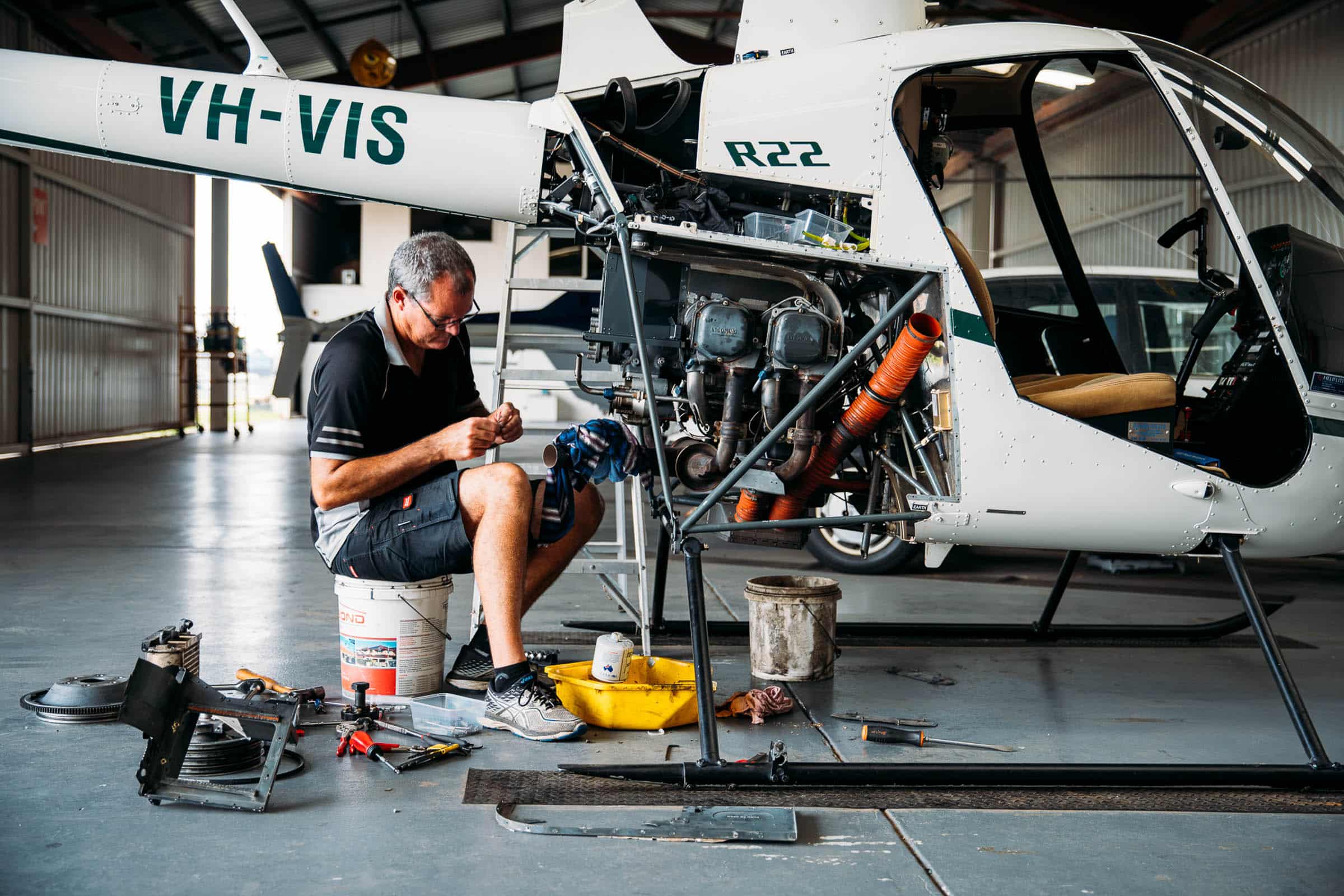
Helicopter maintenance and safety standards protect every helicopter ride by combining strict aviation regulations, scheduled inspections, certified engineers, and layered operational checks that work together to keep passengers safe from takeoff to landing. Have you ever wanted to pilot your own helicopter? Safety and experience matter when you are learning to fly, and they matter just as much when you book a scenic helicopter tour with your family, choose a private charter, or start your first flight lesson in Brisbane. Others are learning to fly right now, so why aren’t you choosing a company that treats safety as seriously as your dream?
At V2 Helicopters in Brisbane, we have built our company around one principle: every helicopter, every flight, every day must meet uncompromising safety standards. With over 14 years of safe operations and a strong safety record, our team understands that behind every breathtaking view, island tour, or winery lunch transfer is a detailed maintenance system working quietly in the background.
Who Regulates Commercial Helicopter Ride Operations
In Australia, commercial helicopter ride, charter, and flight training operations are regulated by the Civil Aviation Safety Authority, commonly known as CASA. CASA sets the aviation safety code that governs how helicopters are maintained, how pilots are trained, and how companies operate.
Any company offering scenic tours, coastal flights, island transfers, aerial photography, or private hire must operate under:
- A valid Air Operator Certificate issued by CASA
- Approved maintenance programs for each helicopter type
- Documented pilot training and recurrent checks
- Strict safety management systems
Whether you are flying over Brisbane city, the Gold Coast beaches, or further north toward the Whitsundays, Cairns, or the Great Barrier Reef, the regulatory framework remains the same across Australia.
This means your helicopter tour in Brisbane is held to the same national standards as flights over Whitehaven Beach, Hamilton Island, or even the Blue Mountains near Sydney.
Daily Pre Flight Inspections Before Each Helicopter Ride
Before every helicopter ride, a detailed pre flight inspection is completed by the pilot. This is not a quick glance around the aircraft. It is a structured checklist inspection that includes:
- Visual inspection of rotor blades
- Fuel quantity and quality checks
- Oil levels and hydraulic systems
- Landing gear and skid integrity
- Avionics and communication systems
- Emergency equipment verification
Each helicopter flight begins only after the pilot confirms the aircraft is airworthy. Even if the helicopter flew perfectly the previous day, it is inspected again.
This process happens whether you are going on a five minute scenic flight, a half hour coastal tour, a longer charter, or beginning your first training lesson.
Safety is not assumed. It is verified every single day.
Preventive Maintenance and Scheduled Inspections Based on Flight Hours
Helicopter maintenance is driven primarily by flight hours. Every helicopter has a maintenance schedule defined by the manufacturer and approved by CASA.
Common inspection intervals include:
- 25 hour inspections
- 50 hour inspections
- 100 hour inspections
- Annual inspections
For example, if a helicopter accumulates 100 flight hours, it must undergo a detailed inspection before continuing commercial operations. These inspections are documented, signed off, and recorded.
This preventive maintenance approach ensures that potential wear is identified long before it becomes a problem. It applies whether the helicopter is used for scenic flights, winery tours in the Hunter Valley, coastal adventures along the Gold Coast, or training new pilots.
Life Limited Parts and Mandatory Replacement Cycles
Some helicopter components are known as life limited parts. These parts have a fixed operational life measured in flight hours or calendar time.
Examples include:
- Main rotor blades
- Tail rotor components
- Gearbox components
- Engine parts
Once a component reaches its limit, it must be replaced. There is no extension beyond the approved life. This rule applies across Australia, whether you are flying from Brisbane, Perth, Sydney Harbour, Townsville, Port Douglas, or Airlie Beach.
This strict replacement cycle protects passengers on every helicopter tour, helicopter charter, and flight training experience.
Manufacturer Service Bulletins and Compliance Requirements
Helicopter manufacturers such as Robinson, Airbus, and Bell issue service bulletins when improvements or safety updates are identified.
Operators must:
- Review every new service bulletin
- Assess applicability to their fleet
- Complete required upgrades or inspections
This ensures helicopters remain aligned with the latest safety developments. If a manufacturer identifies a better inspection method or component update, it becomes part of the maintenance process.
Safety is not static. It evolves with engineering data and global fleet experience.
Certified Aircraft Mechanics and Approved Maintenance Facilities
Helicopters are maintained by licensed aircraft maintenance engineers. These professionals complete years of training and must hold CASA issued certifications.
Maintenance is carried out in approved facilities that meet strict standards for:
- Tool calibration
- Documentation control
- Parts traceability
- Engineering procedures
At V2 Helicopters, we work with certified engineers who understand our aircraft type in depth. Whether a helicopter is used for scenic city tours, island transfers, or flight training, it receives professional oversight from experienced maintenance specialists.
Maintenance Logs, Digital Tracking, and Record Keeping
Every helicopter has a detailed maintenance logbook. These records include:
- Flight hours
- Component installation dates
- Inspection sign offs
- Service bulletin compliance
- Defect reports and rectifications
Many operators now use digital tracking systems to monitor component life in real time. This reduces the risk of missed intervals and ensures compliance with CASA regulations.
If you book a helicopter ride, your aircraft’s entire maintenance history is documented and auditable.
Transparency builds trust.
Pilot Safety Checks and Operational Responsibilities
Maintenance is only one layer of protection. Pilots carry operational responsibility for safety on every flight.
Before each helicopter tour or charter, pilots conduct:
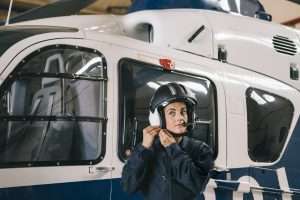
Pilot girl poses with her helicopter wearing helmet
- Weather assessments
- Weight and balance calculations
- Fuel planning
- Route planning
- Risk assessments
If conditions are not suitable, the flight does not depart. This applies to coastal flights, winery transfers, aerial photography, or training exercises.
Safety decisions are made conservatively, not commercially.
Independent Audits and Aviation Authority Oversight
Commercial helicopter companies are subject to oversight and audits by CASA.
These audits review:
- Maintenance records
- Pilot training documentation
- Operational procedures
- Safety management systems
Operators must demonstrate compliance at all times. Failure to meet standards can result in grounding or suspension.
This independent oversight ensures that every helicopter tour, scenic flight, and charter service operates within Australia’s national aviation safety framework.
Emergency Systems, Redundancy Design, and Safety Equipment
Modern helicopters are designed with redundancy in critical systems. Depending on the aircraft type, this may include:
- Dual ignition systems
- Backup instruments
- Independent fuel systems
- Emergency locator transmitters
Onboard safety equipment typically includes:
- Fire extinguishers
- First aid kits
- Personal flotation devices for coastal or island operations
Whether flying near beaches, over water toward an island, or across inland valleys, emergency systems are part of the design.
What Happens If a Mechanical Issue Is Detected
If a mechanical issue is identified during inspection or flight operations:
- The helicopter is grounded immediately
- The issue is documented in the maintenance log
- Certified engineers assess and rectify the problem
- The aircraft is released only after formal sign off
No commercial pressure overrides this process. If an aircraft is not airworthy, it does not fly.
How These Safety Layers Work Together to Protect Passengers
Helicopter safety is not dependent on one single check. It is built from multiple layers working together.
The 3 Step Protection Process
| Step | What Happens | Why It Matters |
| 1 | Daily pilot inspections before every flight | Identifies immediate issues |
| 2 | Scheduled maintenance based on flight hours | Prevents wear related failures |
| 3 | Regulatory oversight and audits | Ensures compliance and accountability |
Each layer reinforces the others.
This system protects passengers on scenic helicopter rides, charter transfers, coastal tours, winery trips, and flight training sessions.
Why This Matters for Aspiring Pilots and Passengers
If you are considering becoming a helicopter pilot, understanding maintenance and safety standards should give you confidence. The aviation industry in Australia is structured around safety first.
You deserve training that is as serious as your dream. You deserve aircraft maintained to the highest standard. You deserve instructors and pilots who treat every flight with discipline and respect.
Flying over Brisbane city, along the Gold Coast, or planning a future adventure to places like Hamilton Island, the Whitsundays, or even the Great Barrier Reef is breathtaking. But behind every incredible view is a disciplined maintenance system that protects you.
At V2 Helicopters, we combine:
- Over 14 years of safe operations
- Professional pilot training programs
- Structured maintenance programs
- A strong safety record
- A supportive team environment
Whether you are booking a scenic helicopter ride, purchasing gift vouchers, arranging a private charter, or beginning your journey toward a Commercial or Private Pilot Licence, safety is not marketing language for us. It is daily practice.
Ready to Experience Flight with Confidence?
Have you ever wanted to pilot your own helicopter? Flying a helicopter is not impossible. It starts with one lesson, one tour, one experience.
If you are ready to:
- Take your first introductory flight
- Explore structured helicopter training
- Book a scenic Brisbane helicopter ride
- Arrange a private charter
- Speak with a pilot about career pathways
Contact V2 Helicopters today. Our team is available to answer your questions, explain training pathways clearly, and help you book with confidence.
Do not watch others fly. Be the one in control. Your journey into the sky starts here.