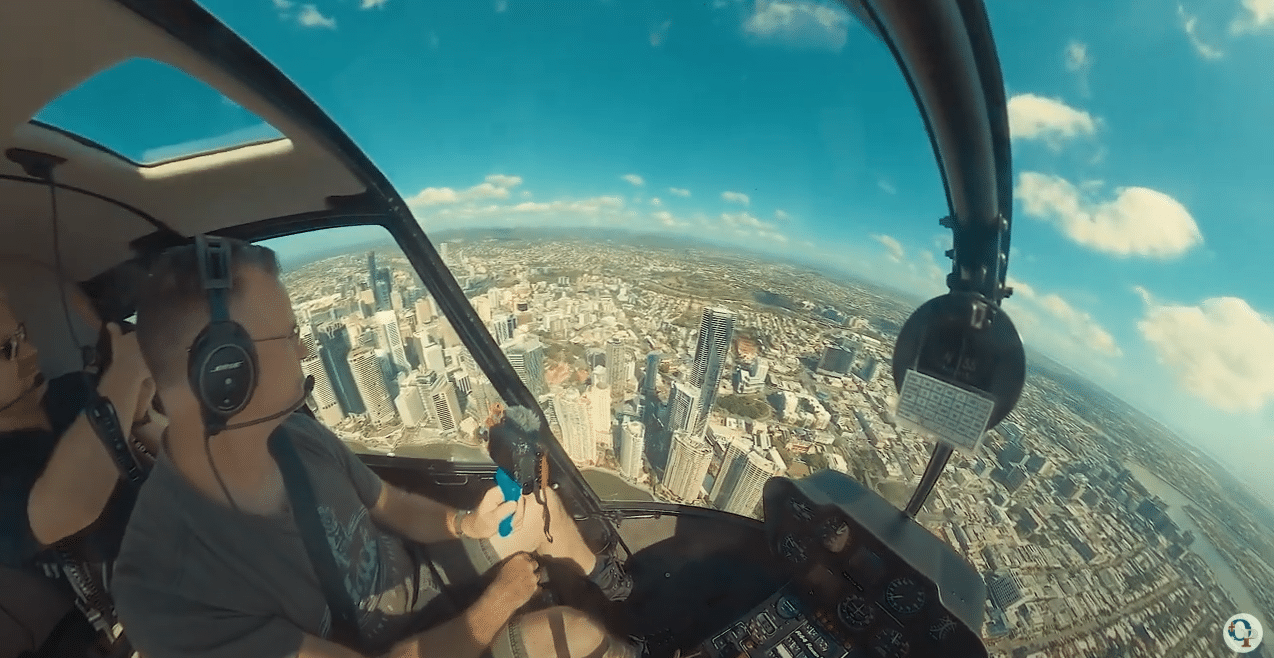
Commercial helicopter rides in Australia are safe when you fly with a properly certified operator that follows CASA rules, maintains helicopters to schedule, and sticks to conservative weather and operational limits. Ever dreamed of flying a helicopter? Take the controls today! If you are the aspiring pilot doing your first flight lesson, or you are booking a scenic helicopter ride for fun, safety and experience matter, and you deserve training and service that is as serious as your dream.
What Accident Statistics Reveal About Commercial Helicopter Safety
Helicopters do have accidents, and pretending otherwise helps nobody. The useful question is what the data says about the kind of operation you are actually doing.
Australian safety reporting on joyflights and sightseeing has found a serious incident or accident rate for helicopter joyflights and sightseeing of 2.6 per 100,000 landings across 2014 to 2022, and it also notes 8 fatalities in reported occurrences involving helicopter joyflights and sightseeing and passenger transport activities in that period. That is not a reason to panic. It is a reason to choose well, because operator standards and decision making change the risk more than most people think.
A key point many ads skip: “commercial helicopter” covers a huge range. Some aerial work is low level and task focused, which changes the exposure. Research into light inland helicopter operations highlights that human factors, technical failures, and safety culture are common drivers, and that self imposed operational limits make a real difference. Scenic flights and tours that are planned, briefed, and flown within limits are typically a different profile to “get it done” work.
Commercial vs Private Helicopter Operations Explained
Commercial and private are not vibes. They are systems.
In Australia, operations flown for hire or reward are generally air transport operations that require an Air Operator’s Certificate (AOC) under CASA’s Part 119 certification and management framework. For rotorcraft air transport operations, CASA’s Part 133 applies.
Why this matters to you: a commercial operator must show CASA how they control flights, train pilots, manage fatigue, manage risk, and keep aircraft airworthy. Private flying can be done safely, but it is more dependent on the individual person and the owner’s discipline, rather than a company wide system that is audited.
How Helicopter Ride Operators Are Regulated and Certified
If you ask “Are you CASA approved?” almost everyone will say yes. Ask tighter questions.
Start with whether the company holds the appropriate AOC for the type of flights you are booking. Then confirm the operation is conducted under the right rules for rotorcraft passenger flying, including Part 133, alongside the general operating rules in Part 91 (Part 133 can add to or modify Part 91 requirements).
If the operator also offers aerial services like aerial photography, filming, lifting, or other specialised work, they may also operate under Part 138 for aerial work operations. That is normal. What you want is clarity: which approvals apply to your ride, your charter, your transfers, or your training flight.
Pilot Licensing, Flight Hours, and Ongoing Training Requirements
The pilot is still the last line of safety, so training standards matter. CASA sets minimum aeronautical experience requirements for a helicopter
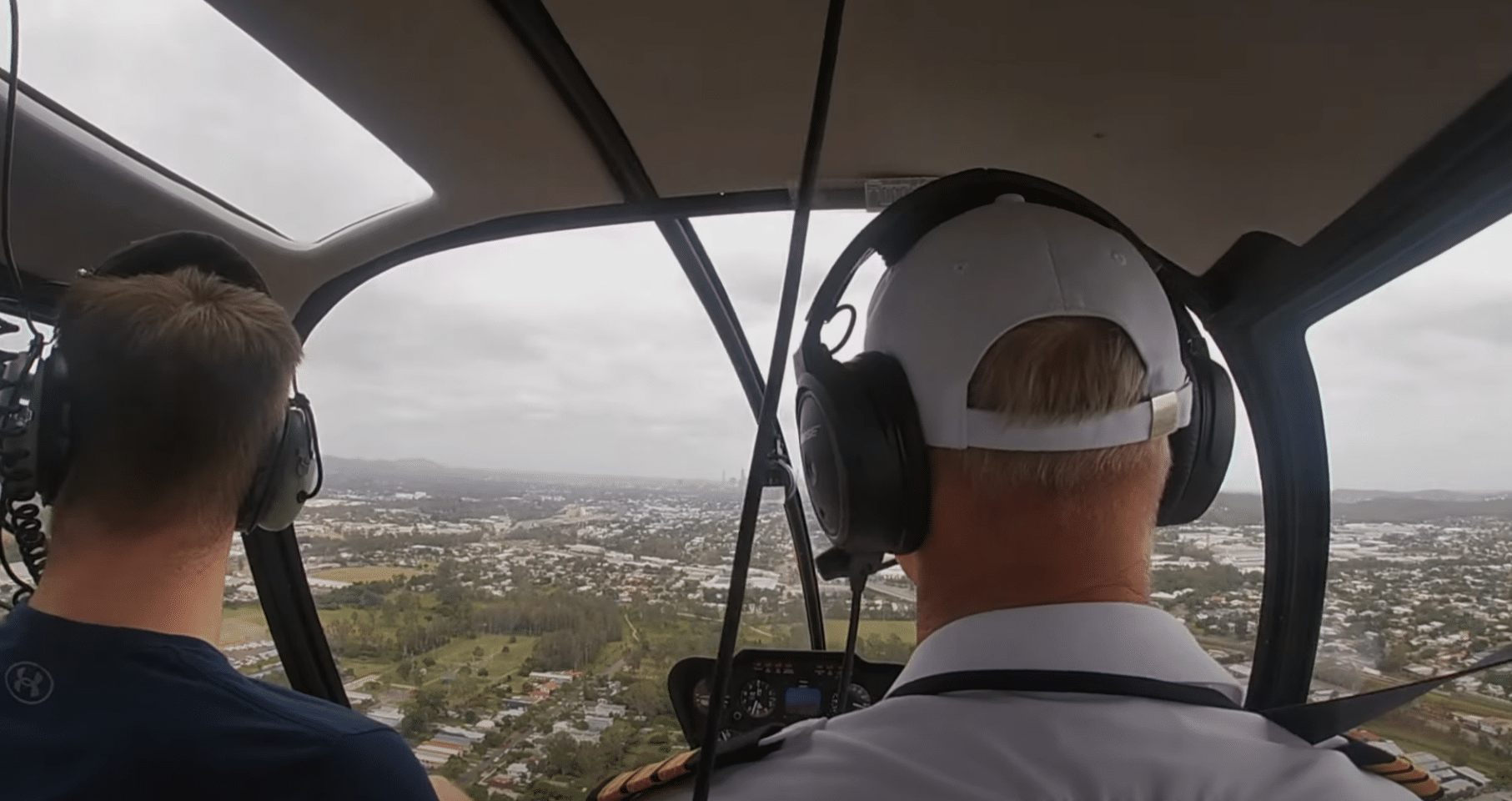
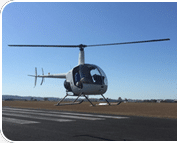
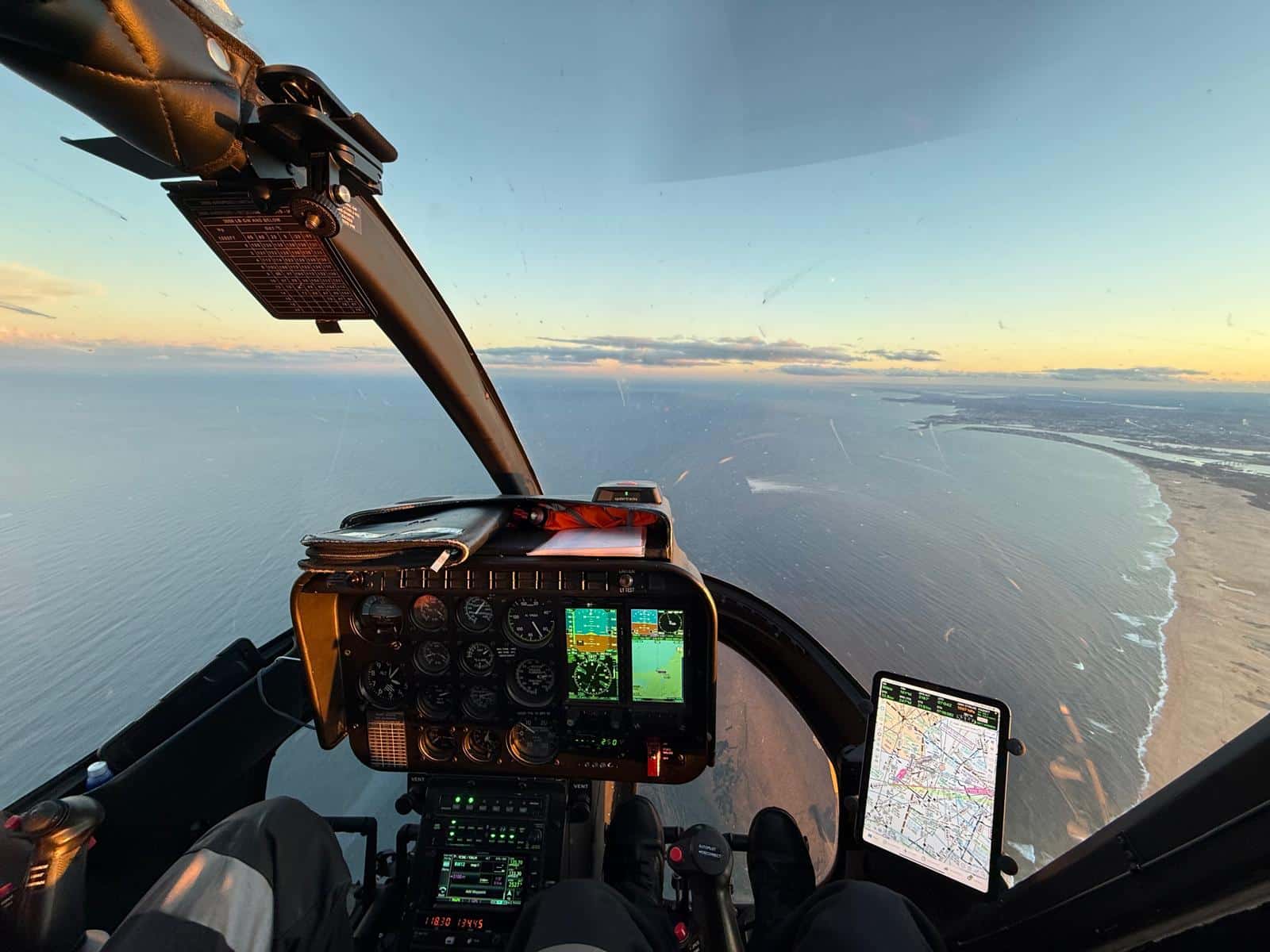
Pilot in cockpit of a helicopter
Commercial Pilot Licence. CASA’s published minimums include
100 hours for an integrated course or 150 hours for a non integrated course.
Minimums are not the goal. The goal is a pilot who is current and properly checked by the company. That includes route familiarity, local airspace, and passenger management, plus calm decision making when weather or traffic changes. If you are training, ask how your instructor builds skills in layers, how progress is tracked, and how you get real confidence early without rushing solo.
Aircraft Maintenance, Inspection Schedules, and Oversight
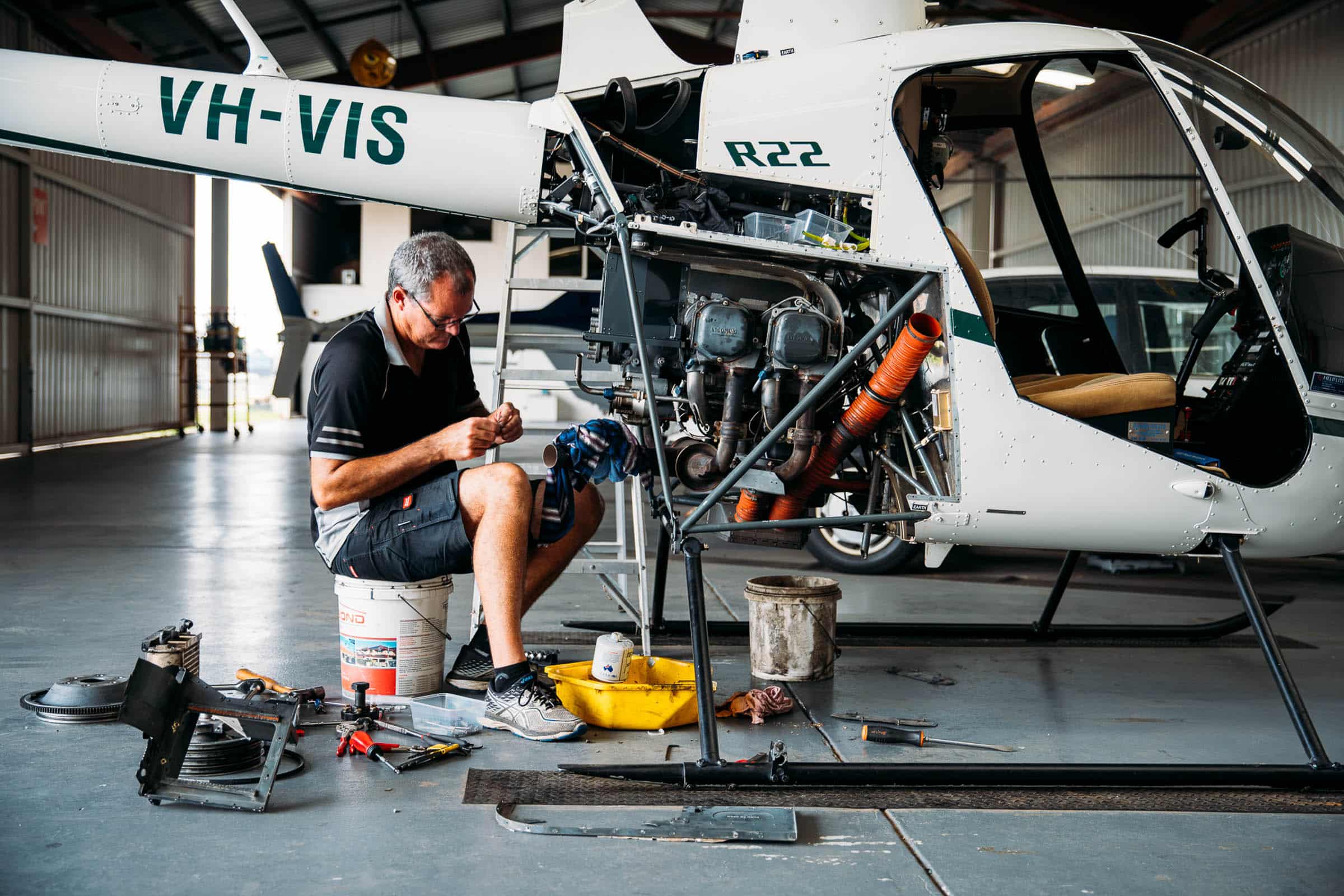
Most safety is invisible because it happens in the hangar, not on Instagram.
Commercial operators must demonstrate continuing airworthiness systems, including how inspections are scheduled, defects are controlled, and records are maintained. In plain language, that means maintenance tied to both hours and calendar time, strict defect reporting, and no shortcuts because it is a “perfect day”.
For customers, a simple signal is how comfortable the staff are talking about maintenance. If answers are vague, or the operation feels improvised, choose another company.
Weather Minimums and Operational Safety Protocols
Weather is where great operators earn trust.
A scenic flight should be enjoyable, not edgy. Wind, turbulence, visibility, low cloud, and summer heat all affect comfort and performance, especially along the coast, near beaches, and around mountains. The safest operators set conservative minimums, check multiple forecasts, plan alternates, and will happily delay, modify the tour, or return early.
This is also where good customer service matters. Clear communication turns a weather change into a smooth rebooking, not a stressful day.
Layered Risk Mitigation Systems Before Every Helicopter Ride
Good safety is layered. One layer fails, another catches it.
| Layer | What it checks | Why it matters |
| People | currency, fatigue, briefings | reduces rushed decisions |
| Machine | maintenance status, defects, fuel | prevents technical surprises |
| Environment | weather, airspace, traffic | avoids weather traps |
| Mission | route, timing, landing options | reduces pressure |
| Management | manuals, audits, reporting | stops standards drifting |
Emergency Procedures and Onboard Safety Equipment
Even on a smooth helicopter ride, pilots plan for the “what if”.
Emergency procedures are trained and reviewed, including engine failure response, precautionary landings, and passenger management after landing. Operators also carry and brief onboard safety equipment that matches the flight, such as seat belts, headsets, fire extinguisher, first aid, and where relevant, water survival gear.
Investigations into tourism operations have also highlighted that basics like passenger restraint use and clear coordination matter to outcomes. A reputable company treats briefings seriously, checks understanding, and keeps improving procedures.
How Helicopter Ride Safety Compares to Cars, Planes, and Boats
Direct comparisons are hard because exposure is measured differently. Airlines operate in the most structured environment and are the benchmark for mass transport. Helicopters often operate closer to terrain and in more variable conditions, so the risk profile is different.
The practical takeaway is simple: your operator choice matters a lot. A disciplined company with conservative limits can make a helicopter experience feel calm and predictable, whether it is a 15 minutes scenic flight over the city, a charter, or a training session.
Common Myths About Helicopter Ride Safety
You will hear myths that sound confident but miss the point. Helicopters can autorotate and pilots train for it, but good operations are built around avoiding the need. Bigger helicopters are not automatically safer; safety comes from maintenance, training, and limits. A blue sky is not always a green light; visibility and wind can shift quickly. And “private” does not mean “mixed groups”; many rides are 100% private, and what matters is the standards behind the scenes.
How to Choose a Reputable Helicopter Ride Operator
Use this simple 3 step process before you book.
| Step 1: Verify | Step 2: Ask | Step 3: Decide |
| Confirm the operator holds the right approvals for passenger operations. | Ask about pilot experience on your route, maintenance program, and weather minimums. | If you feel pressure to fly, walk away. If they happily rebook, you found a pro. |
At V2 Helicopters in Brisbane, we apply this mindset to every flight and every lesson. Our team trains aspiring pilots and flies scenic tours and charter flights from Archerfield Airport. We keep pricing affordable and booking flexible, and we can map your path from intro flight to licence without wasted time or money.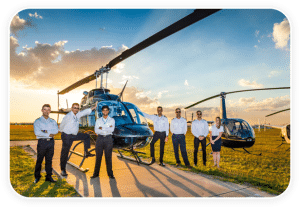
If you are looking for inspiration, Australia is packed with unforgettable experiences: Sydney harbour views, a Blue Mountains flight, a Gold Coast coastal tour, or a Queensland island hop. You will see packages from Cairns to Townsville, including Great Barrier Reef combos with a boat cruise, snorkel time, and a pontoon stop at Reefworld, plus Whitehaven Beach style views near Airlie and the Whitsundays. Perth and Rottnest are famous too. Some operators add a winery lunch in the Hunter Valley, a restaurant dine experience, a hotel transfer, or even a golf half day. Whether your trip departs Brisbane or elsewhere, the safety code is the same: choose a professional company, a well trained pilot, and a team with a great record that will happily cancel or delay if conditions are not perfect. Others are learning to fly right now, why aren’t you?
Want to start? Contact V2 Helicopters, choose a day and time that suits you, and book your first helicopter ride or flight training intro. If you have questions, drop a comment below and share this with a mate who keeps saying they will do it “one day”.