


Blogs
Most students in Australia can expect a helicopter pilot license timeline of about 2 months full time for a Private Pilot Licence, about 12 months part time for private flying, and around 12 to 24 months for a Commercial Pilot Licence depending on training pace, study habits, weather, aircraft availability, and how often they fly. Ever dreamed of flying a helicopter? Take the controls today. Flying a helicopter is not impossible, but it rewards people who show up, study properly, and train with the right school. At V2 Helicopters in Brisbane, we help aspiring pilots move from “I’ve always wanted to do this” to safe, real-world flying from Archerfield Airport. Your pathway should feel clear, practical, and safe from the beginning today.
The honest answer: time depends on your goal
The first question is not “How long does it take?” It is “What kind of pilot do you want to become?”
If you want to fly for fun, take friends or family flying, and build a lifelong skill, you are usually looking at a Private Pilot Licence, often called a PPL(H) for helicopters. If you want aviation to become your job, you are looking at a Commercial Pilot Licence, or CPL(H).
Think of it like learning a trade. You can learn the basics faster than you can become employable. The same is true in aviation. You may feel the magic of flight on lesson one, but becoming a pilot means building judgment, calm hands, airspace awareness, emergency habits, navigation skill, and the confidence to make safe decisions when things change.
Typical helicopter pilot license timeline in Australia
| Goal | CASA minimum experience | Realistic training timeframe | Best suited to |
| Trial instructional flight | One introductory lesson | 1 day | People testing the dream |
| PPL(H) | 35 to 40 hours depending on course type | Around 2 months full time or 12 months part time | Private flying and personal achievement |
| CPL(H) | 100 hours integrated, or 105 to 150 hours non-integrated depending on pathway | Often 12 to 24 months | Career-minded pilots |
CASA states that student pilots must be over 15 to fly solo and at least 16 to get a first licence, and that commercial pilots need good health, good eyesight and hearing, and proficient English. CASA also tells students to compare flight schools by licence type, cost, training quality, infrastructure, and course structure. That is good advice because your school has a huge impact on how smoothly your training progresses.
Private Pilot Licence: how long does a PPL(H) take?
A Private Pilot Licence is the usual pathway for someone who wants to fly for recreation, personal travel, or the pure satisfaction of becoming a helicopter pilot. CASA’s published helicopter PPL requirements include 35 hours for an integrated course or 40 hours for a non-integrated course, with helicopter flight time, solo time, solo cross-country navigation, and dual instrument components included.
In plain English, that does not mean every student finishes in the minimum time. Minimums are legal thresholds, not guarantees. CASA’s student guidance notes that a full private licence takes at least 40 hours, but may take longer depending on aircraft type, how often you fly, and how much study you do before lessons.
A motivated student who trains several times a week can make strong progress. A part-time student flying once a week can absolutely succeed, but the calendar stretches because skills need refreshing between lessons. Helicopter handling is hands-on. The more consistent your training, the less time you spend rebuilding feel.
Commercial Pilot Licence: how long does a CPL(H) take?
If your goal is a flying career, the Commercial Pilot Licence is the key milestone. CASA lists helicopter CPL minimums as 100 hours of aeronautical experience for an integrated course, or 150 hours for a non-integrated course, with a 105-hour non-integrated pathway available in accordance with Part 61 MOS Schedule 9. The requirements also include pilot-in-command time, cross-country pilot-in-command time, and, for integrated training, instrument time.
That is the regulatory frame. The real-world frame is this: you are not just collecting hours. You are learning to operate like a professional. That means stronger preparation, sharper weather judgment, better radio work, better aircraft management, smoother handling, and the ability to keep learning after a tough lesson.
How to become a helicopter pilot in Australia faster than you think? Train consistently, prepare before each flight, ask questions early, and choose a school that gives you a clear plan instead of leaving you to guess the next step.
The 3-step process
1. Start with a trial flight
Ever dreamed of flying a helicopter? Take the controls today. A trial instructional flight lets you feel the aircraft, meet an instructor, and find out whether helicopter training is something you want to pursue seriously.
2. Choose your licence pathway
Private flying and career flying are different targets. The best pathway depends on your budget, time, medical eligibility, and long-term ambition. You deserve training that is as serious as your dream.
3. Train consistently and track progress
Book regular lessons, study theory between flights, review instructor feedback, and keep your training momentum alive. Stop wasting time on flight schools that do not get you airborne.
What can slow your timeline down?
The biggest delays are usually practical, not mysterious. Weather can cancel lessons. Aircraft maintenance can affect availability. Work commitments can interrupt momentum. Theory exams can take longer if you leave study until the last minute. Medical paperwork can also hold things up if you wait too long.
The most common student mistake is spacing lessons too far apart. One flight every few weeks may feel affordable, but it can cost more in the long run because each lesson starts with revision. Flying twice a week, when possible, often gives better rhythm and retention.
Another delay is unclear expectations. Students progress faster when they know what each stage is meant to achieve: basic handling, hovering, circuits, emergencies, navigation, solo preparation, cross-country flying, exam preparation, and flight test readiness.
Full time vs part time training
Full-time training suits students who can make aviation the main focus for a block of time. It creates momentum and helps skills stick. It is intense, but it can be efficient.
Part-time training suits students who are working, studying, or funding lessons as they go. It can work very well, especially when lessons are consistent and supported by regular theory study. Too busy? Flexible scheduling means flying on your time.
Is helicopter training hard?
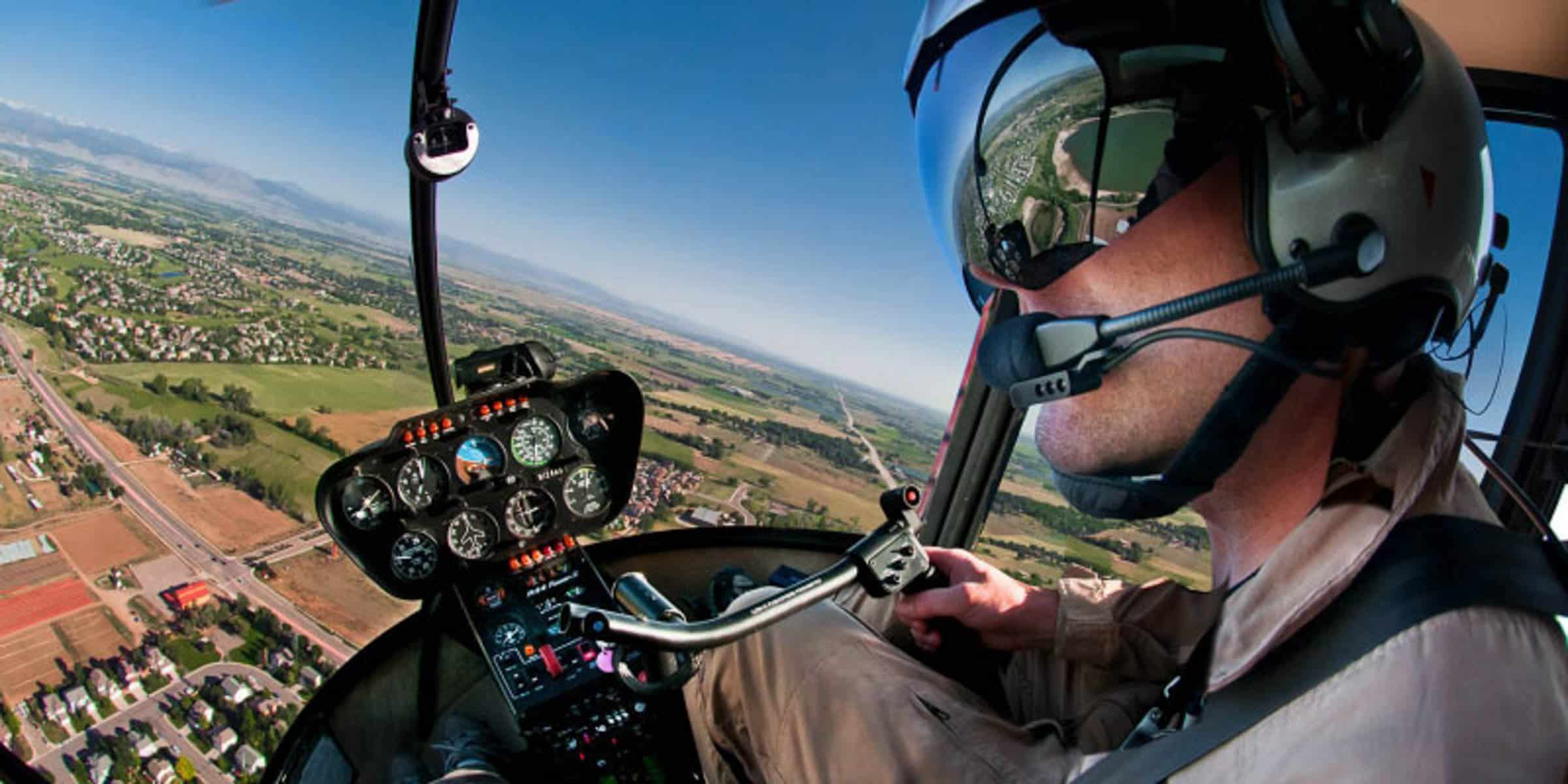
Yes, but not in the way most people imagine. You do not need to be superhuman. You do need patience. Helicopters require coordination, touch, and constant awareness. Early lessons can feel busy because your hands, feet, eyes, and brain are all learning at once.
That is normal. Every great pilot started with one flight, so can you. Good instructors break the workload into manageable pieces. First, you learn to control the aircraft. Then you learn to manage the environment around it. Then you learn to make safe decisions without being overloaded.
No experience? Perfect. You will learn everything from the beginning, including aircraft checks, radio calls, hovering, departures, approaches, emergency procedures, navigation, and flight planning.
Why training in Brisbane helps
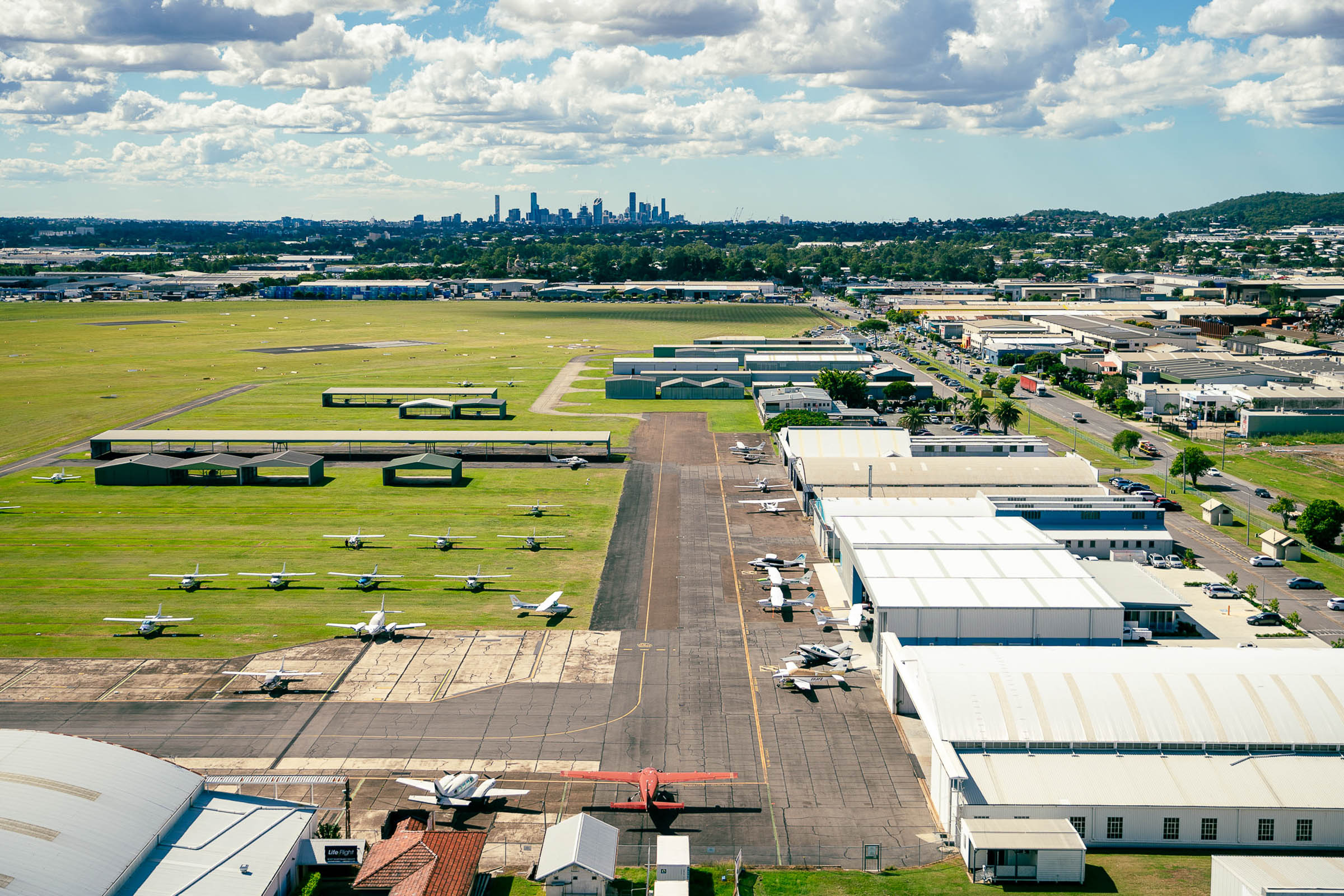
Brisbane is a strong place to learn because students can experience controlled airspace, varied weather, city awareness, coastal influences, and regional navigation opportunities. V2 Helicopters operates from Archerfield Airport, about 25 minutes from Brisbane CBD, and the business was established in 2009 with a focus on helicopter training, scenic flights, charter, and aerial photography. V2 also highlights 14+ years of safe, quality operations, experienced pilots, Robinson R-44 Raven aircraft, and a convenient Brisbane location.
How to keep your training affordable
Think flight training is too expensive? Think again, but be realistic. Helicopter training is a serious investment, so the smartest approach is to reduce wasted time. Arrive prepared. Study before lessons. Ask your instructor what to read next. Fly often enough to retain skill. Keep your medical, theory, and admin tasks moving.
Also be honest about your goal. If you want a career, plan for the CPL(H) from the beginning. If you want to fly privately, a PPL(H) may be the right first milestone. Tired of confusing aviation pathways? We make it simple by helping students understand what comes next and why it matters.
Your timeline starts with one lesson
The helicopter pilot license timeline is not the same for everyone, but the pattern is clear: private pilots can often work toward a licence in months, while career pilots should plan for a longer, more structured journey toward commercial standards. Others are learning to fly right now, why aren’t you?
At V2 Helicopters, our role is to help you train safely, clearly, and confidently. Whether you are chasing a career, a personal achievement, or the lifelong dream of taking the controls, your first step is simple: contact V2 Helicopters in Brisbane, book an introductory flight, and find out what your own pilot journey could look like.
LATEST NEWS
Find out more

The Best Thing to Do in Brisbane: Explore the City from the Sky
January 20, 2025
How Long Should Your Helicopter Ride Be?
April 6, 2026

Helicopter Ride vs Boat Tour for Coastal Sightseeing
February 16, 2026
Send Us Message
Are you ready for an unforgettable flying experience? V2 Helicopters, the leading helicopter flight services company in Brisbane, is your solution.
With our state-of-the-art helicopters and highly experienced pilots, we offer a range of services including commercial flights, training programs, and private charters.