

Blogs
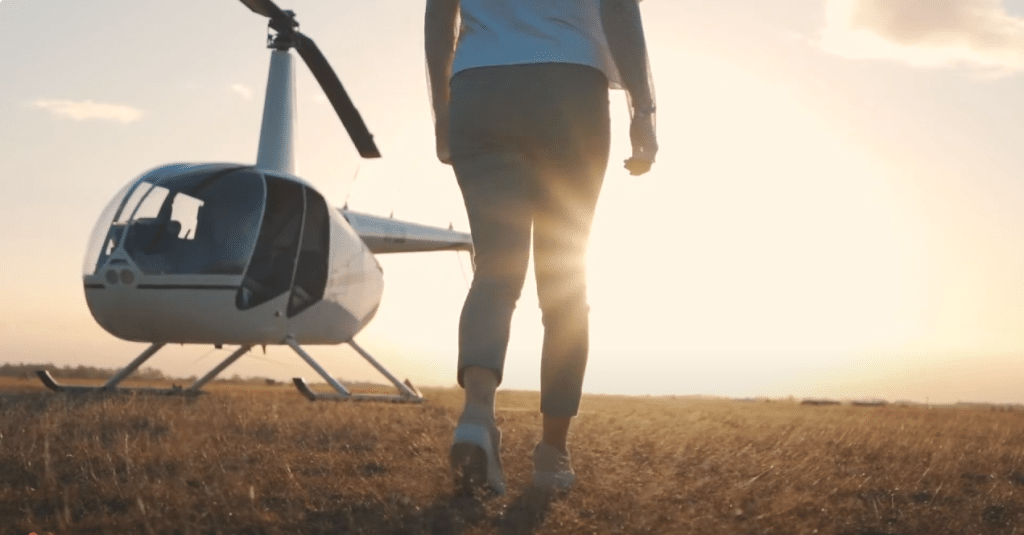
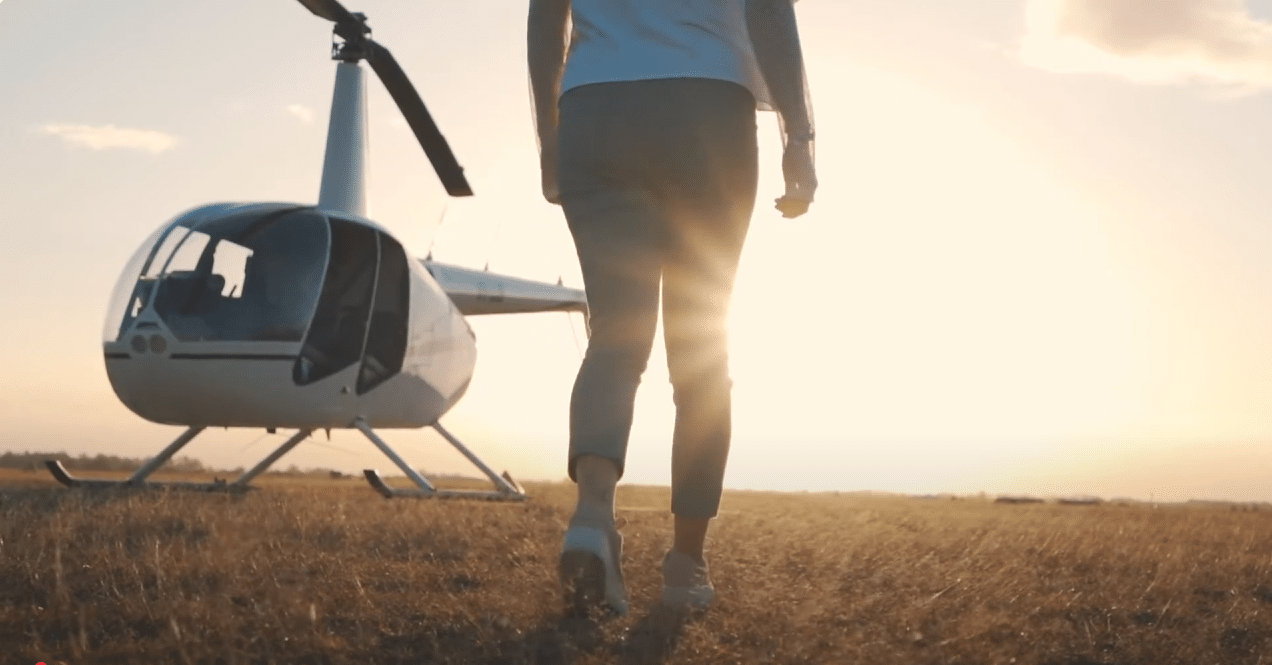
A first helicopter flying lesson in Brisbane is a real instructional experience where you control a helicopter under supervision and log official training time toward a licence. Ever dreamed of flying a helicopter? Take the controls today. Others are learning to fly right now, why aren’t you? Flying is not reserved for elite insiders. It starts with one structured lesson, one instructor beside you, and one decision to stop watching and start doing.
First Flying Lesson in Brisbane: The Quick Take (Is It Worth It?)
Yes. If you are serious about aviation or even just curious whether you could become a pilot, a helicopter trial lesson is the fastest reality check available.
You are not buying a joyride. You are entering real flight training.
During your first lesson you will:
- Sit in the pilot seat
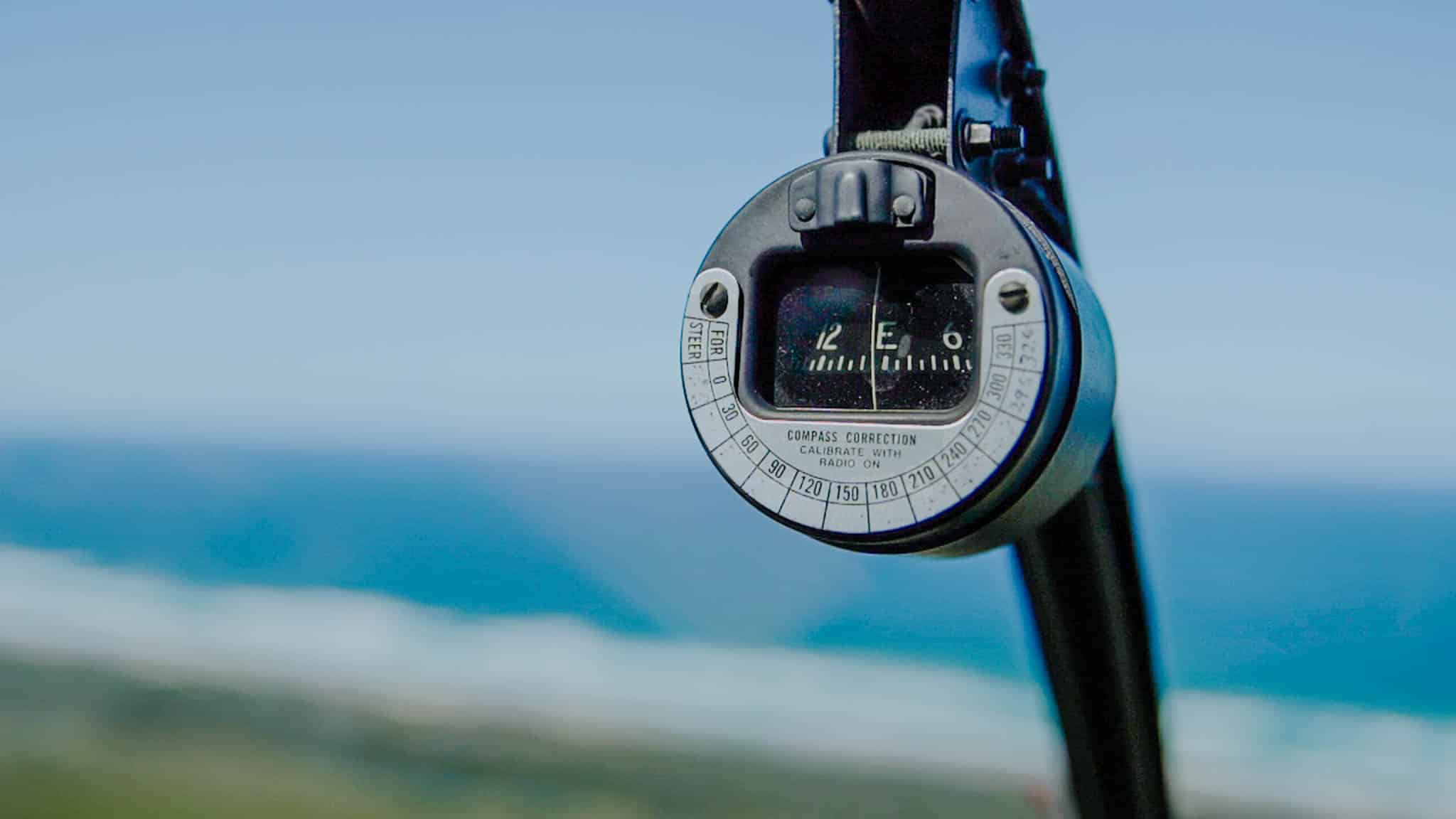
- Handle cyclic, collective, and anti-torque pedals
- Receive a professional safety briefing
- Log official flight time
You ll find that the experience is far more structured than most people expect. Many arrive nervous and leave surprised by how achievable flying felt. The lesson removes fantasy and replaces it with clarity.
What a “Trial Instructional Flight” Actually Means (And What It’s Not)
A helicopter trial instructional flight is legally classified as flight training.
That means:
- You are treated as a student pilot
- The instructor is actively teaching
- The flight follows a training syllabus
- Your time can count toward a licence
It is not a passive scenic ride. You are learning control coordination from the first hover attempt.
Helicopters demand attention and finesse. Even holding a stable hover for a few seconds feels like balancing on a moving platform. That challenge is what makes the experience addictive.
Who This Brisbane Experience Is Perfect For (And Who Should Skip It)
Perfect for:
- Aspiring commercial pilots
- Career changers testing aviation
- Lifelong dreamers finally acting
- Gift recipients curious about flying
Not ideal for:
- People expecting a quiet cruise
- Anyone seeking a purely sightseeing guided tour
Helicopter flight is tactile. You feel vibration, motion, and responsibility. If you want personal growth and skill development, it is unmatched. If you want a relaxed tour, choose tourism instead of training.
What It Really Costs to Fly a Helicopter in Brisbane (Price Ranges + What’s Included)
Helicopter training reflects higher mechanical complexity and operating cost compared to fixed-wing aircraft. Typical Brisbane trial lesson pricing:
|
Duration |
Typical Range |
Includes |
|
30 mins |
$300 to $450 |
Briefing + instruction |
|
60 mins |
$600 to $850 |
Extended training |
|
90 mins |
$900 to $1200 |
Advanced handling |
Costs include:
- Instructor supervision
- Aircraft hire
- Fuel
- Insurance
- Safety compliance
- Logbook entry
According to CASA regulatory standards, helicopter training pricing reflects strict maintenance and inspection schedules. A reputable school never compromises safety to lower cost.
Where First Flying Lessons Happen Around Brisbane (Airfields + What Each Offers)
Most helicopter training operates from Archerfield Airport, Brisbane’s primary aviation training hub.
From this location you may fly routes including:
- The brisbane river corridor
- Kangaroo point cliffs
- Skyline passes near story bridge
- Directional training toward the gold coast
- Airspace around coot tha
Archerfield provides controlled training airspace, experienced traffic management, and professional infrastructure. Students are entering an operational aviation environment, not a novelty attraction.
Booking Tips: How to Choose a Legit Flight School (Questions to Ask Before You Pay)
Ask every school:
- How experienced are your instructors?
- What maintenance program do you follow?
- Are prices transparent?
- How flexible is scheduling?
- Can I speak with current students?
A professional school answers clearly. Aviation safety culture shows in how they communicate.
Avoid providers that emphasize marketing over training structure. Helicopter education must follow regulated progression, not improvisation.
What Happens Before You Take Off (Check-In, Briefing, Safety + Pre-Flight Walkaround)
The lesson starts on the ground.
You will:
- Review weather conditions
- Learn emergency procedures
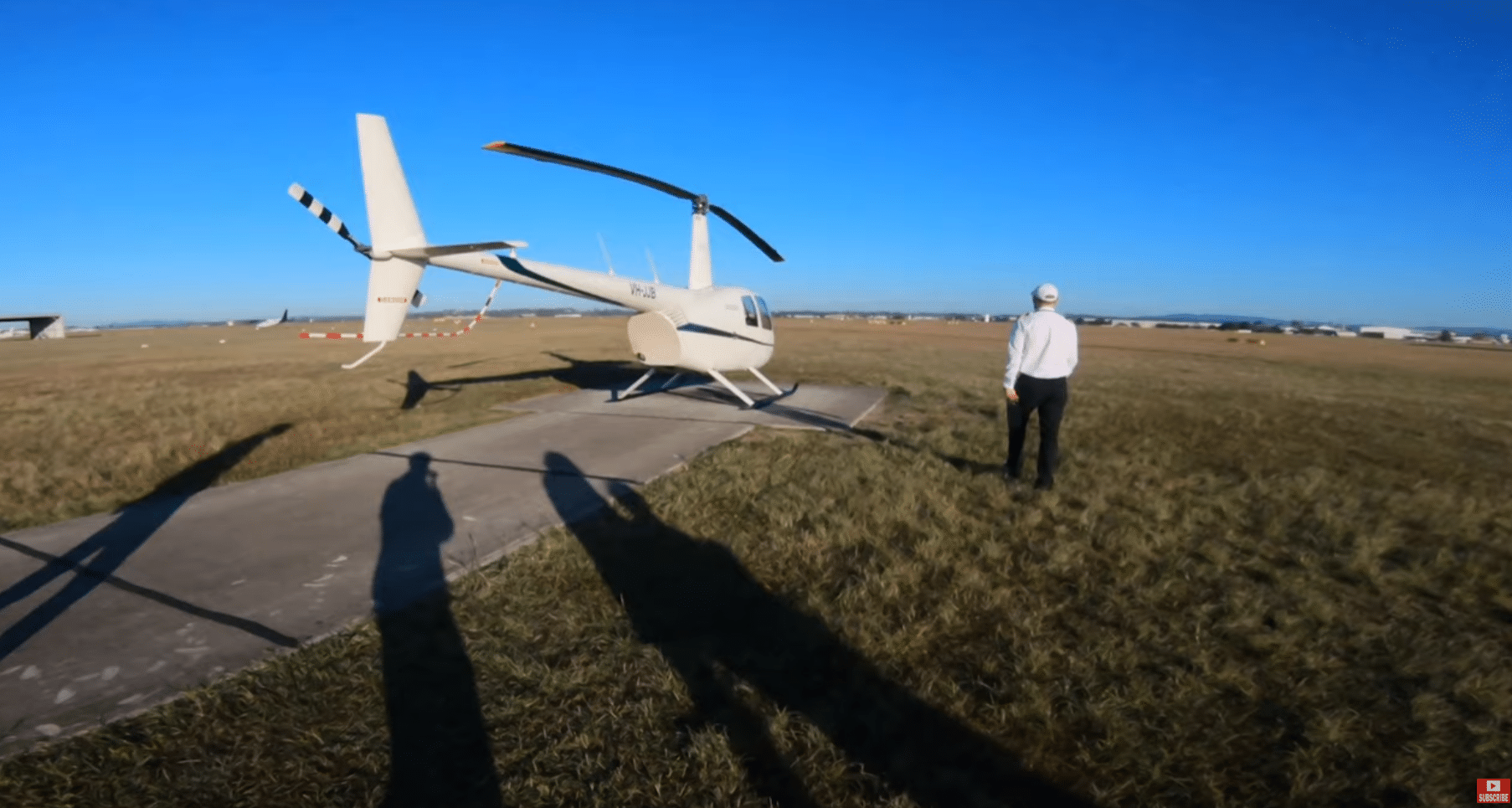
- Inspect the helicopter exterior
- Receive cockpit orientation
The walkaround is critical. You see fuel checks, rotor inspection, and control linkages. This builds trust in the machine and introduces aviation discipline from the first minute.
Students often say this phase transforms fear into focused curiosity.
Can You Actually Fly the Helicopter? (Controls You’ll Use + What the Instructor Handles)
Yes, you genuinely fly.
You will handle:
- Cyclic control for direction
- Collective for altitude
- Anti-torque pedals for yaw
- Gentle turns and climbs
The instructor manages radio communication, traffic awareness, and intervention if needed. You are supported but active.
The first time the helicopter responds to your input is unforgettable. It is the exact moment people realize this dream is tangible.
The Honest Truth About Takeoff and Landing (What Felt Easy vs Hard)
Takeoff feels smoother than expected. Hovering feels harder than expected.
Landing requires coordination, patience, and small precise corrections. Even experienced pilots treat hovering and landing with respect.
Students often describe hovering as mentally intense but deeply satisfying. It is where helicopter flying becomes a skill instead of a concept.
What It Feels Like Up There (Nerves, Noise, Motion + The “I’m Doing This” Moment)
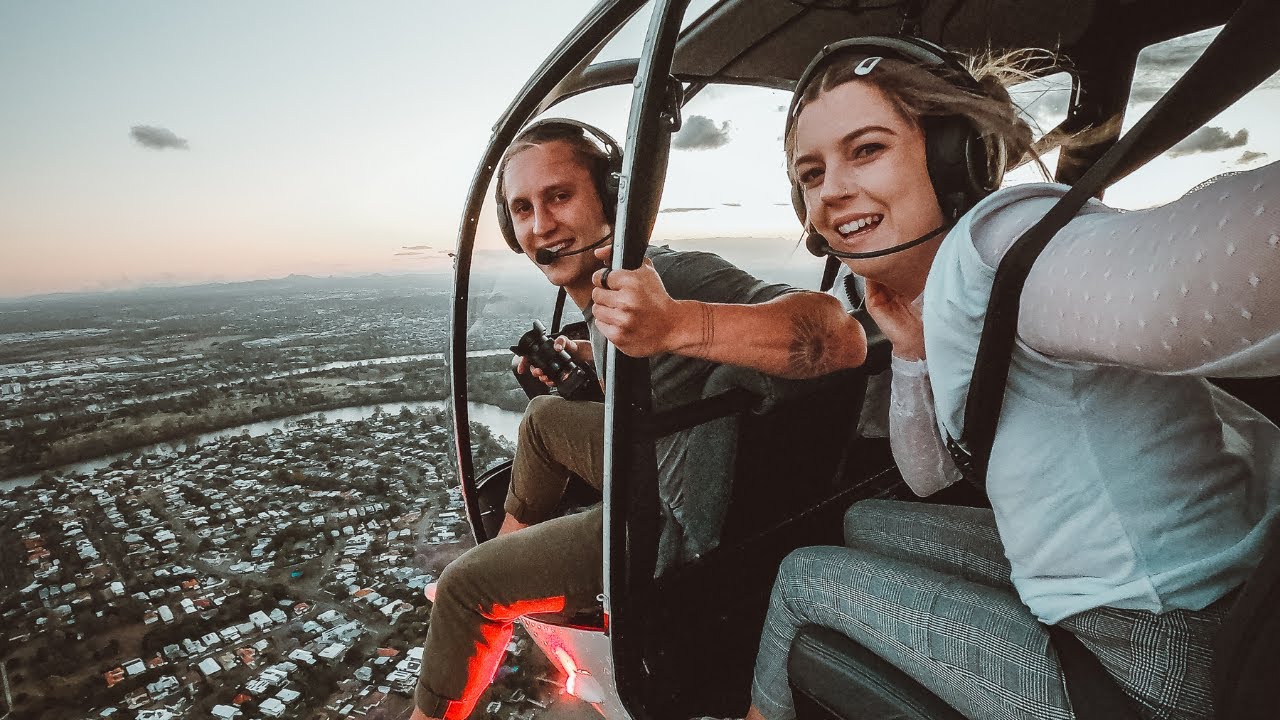
The cockpit is alive with vibration and sound. Communication is through headsets. Focus narrows instantly.
Nerves usually fade within minutes as your brain shifts into task mode. Then comes the quiet realization: I am flying a helicopter.
Watching sun sets over brisbane city from pilot perspective imprints a memory people carry for life. It is not passive viewing. You are controlling the moment.
What You’ll See From the Air in Brisbane (Best Routes + Scenic Highlights)
Training routes often reveal:
- The botanic gardens stretch
- Kangaroo point skyline
- The brisbane river winding through the city
- The story bridge architecture
- Mount coot tha ridgeline
- Coastal direction toward the gold coast
These routes exist for training safety, not tourism marketing. Their beauty is a bonus. Many students forget to take photos because flying demands attention.
What to Wear + What to Bring (ID, Sunglasses, Photos + Motion Sickness Tips)
Bring:
- Photo ID
- Sunglasses
- Closed shoes
- Comfortable clothing
Avoid heavy meals immediately before flight. Active participation reduces motion sickness risk because your brain aligns with movement.
Hydration and rest improve focus.
Is It Safe? (Weather Changes, Turbulence + How Risk Is Managed)
Helicopter training operates under strict aviation regulation.
Safety is managed through:
- Conservative weather limits
- Scheduled aircraft inspections
- Instructor authority
- Standardized procedures
CASA oversight requires professional training organizations to meet high operational standards. Incident rates in structured training environments remain extremely low relative to recreational flying.
Safety culture is not optional. It is enforced.
Common First-Lesson Mistakes (And How to Avoid Feeling Overwhelmed)
New students often:
- Over-grip the controls
- Overcorrect movements
- Hold their breath
- Focus too narrowly
Relaxation improves control. Helicopter flying rewards small inputs, not force.
Mistakes are expected. They are signs of learning, not failure.
What Happens After Your Lesson (Logbook, Next Lesson + Licence Path Options)
After landing you receive:
- Logged flight time
- Instructor feedback
- Clear next steps
From there you may pursue:
- Recreational certificate
- Private helicopter licence
- Commercial helicopter licence
Your first lesson becomes the foundation of a structured aviation journey.
Other Epic Things to Do in Brisbane After Your Flight (Celebrate the Win)
After flying, adrenaline remains high. Many students celebrate with:
- Drinks at a rooftop bar overlooking brisbane city
- Exploring street food markets
- Walking kangaroo point cliffs
- Visiting the botanic gardens
- Attempting a bridge climb
- Booking a scenic guided tour
These activities extend the emotional high. You shift from pilot to storyteller.
Your first helicopter lesson is not about perfection. It is about crossing the line between imagination and action. If this guide helped clarify what to expect, share it with someone who talks about flying but has not taken the first step. And if you are ready to turn curiosity into cockpit reality, V2 Helicopters is here to help you start.
LATEST NEWS
Find out more
Send Us Message
Are you ready for an unforgettable flying experience? V2 Helicopters, the leading helicopter flight services company in Brisbane, is your solution.
With our state-of-the-art helicopters and highly experienced pilots, we offer a range of services including commercial flights, training programs, and private charters.