

Becoming a helicopter pilot in Australia is a challenging, rewarding, and highly practical aviation pathway — whether your goal is flying for fun, building a professional career, or working in industries like emergency services, tourism, or aerial work.

This guide walks you through exactly how to become a helicopter pilot in Australia, step by step, using current CASA requirements and real-world training pathways.


Step 1: Decide Why You Want to Fly Helicopters

Before licences and costs, the first question is what type of pilot you want to be.

Most students fall into one of these categories:

  • Recreational / hobby pilot – flying for enjoyment
  • Career pilot – aiming for charter, tourism, or utility work
  • Experience-first – trying flying before committing

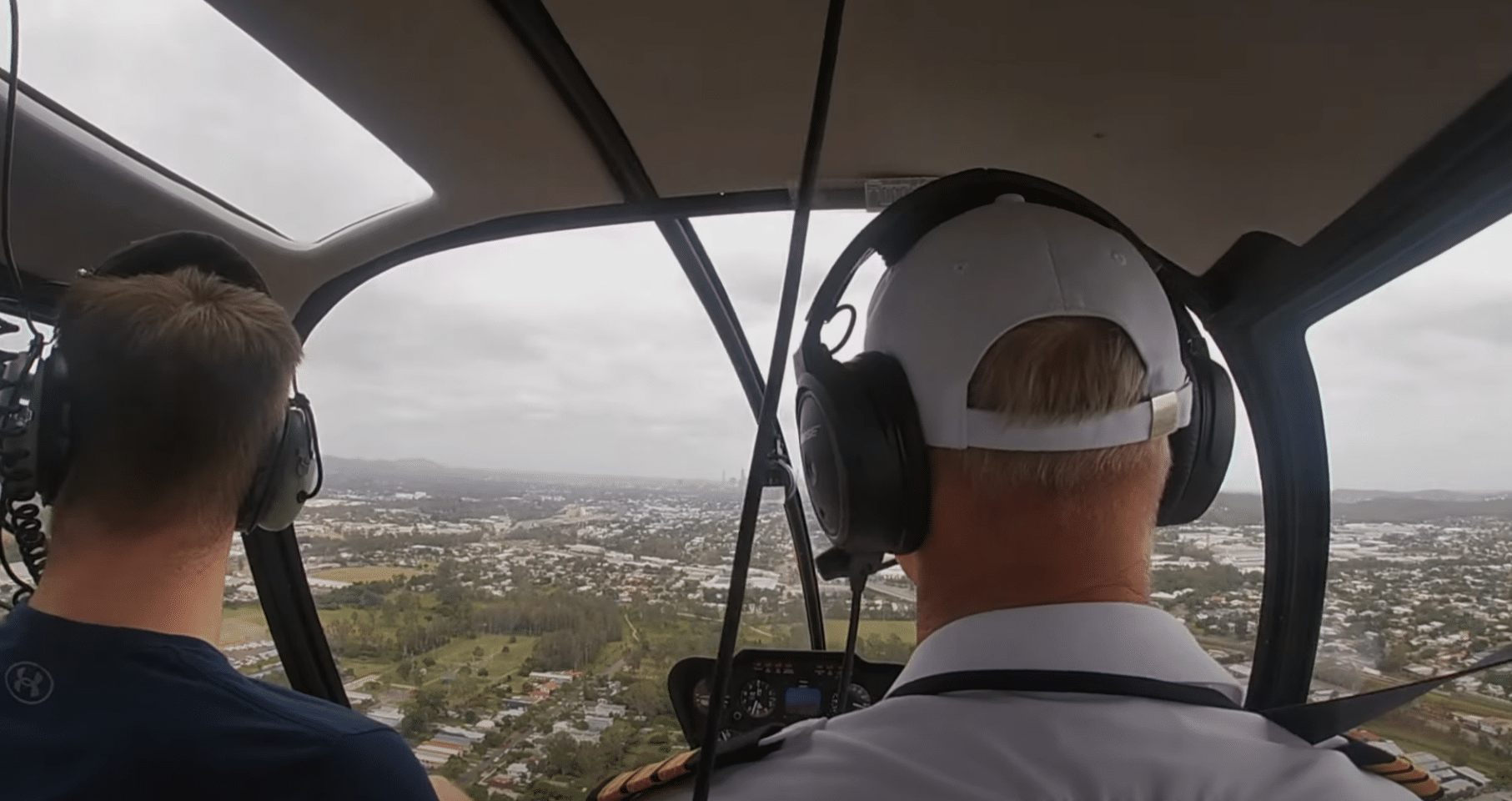
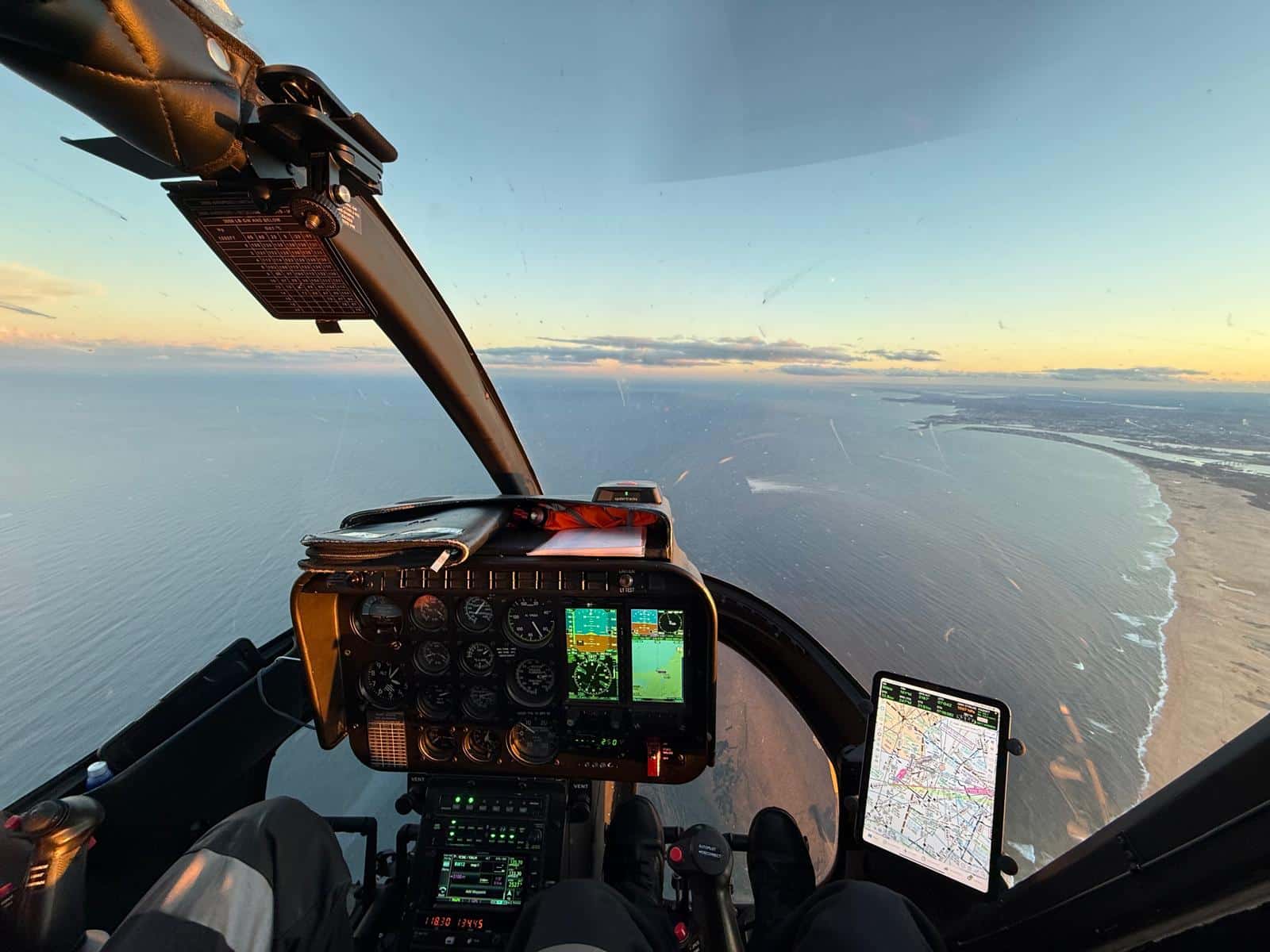
If you’re unsure, starting with a trial helicopter flight is the most common (and smartest) first step. It lets you sit in the pilot’s seat, handle the controls, and talk directly with an instructor before committing to training.

At V2 Helicopters, many students who now hold licences started with a single introductory flight.


Step 2: Choose the Right Helicopter Licence

In Australia, helicopter licences are issued under CASA Part 61. The two main licences are:

🚁 Private Pilot Licence – Helicopter (PPL(H))

  • Fly for personal use (no pay)
  • Carry passengers
  • Ideal for hobby and private owners

🚁 Commercial Pilot Licence – Helicopter (CPL(H))

  • Fly helicopters for hire or reward
  • Required for charter, scenic flights, aerial work, EMS pathways
  • Industry standard for professional pilots

Most career-focused students train directly toward the CPL(H), even if they’re starting from zero hours.


Step 3: Meet the Basic Entry Requirements

You don’t need prior aviation experience, but you must meet these minimums:

  • Be at least 16 years old to fly solo
  • Hold (or be able to obtain) a CASA aviation medical
    • Class 2 for PPL(H)
    • Class 1 for CPL(H)
  • Have sufficient English language proficiency

No university degree is required, and maths/science knowledge only needs to be practical — not academic.


Step 4: Start Flight Training at a Helicopter Flight School

Once enrolled, training includes:

✈️ Practical Flight Training

You’ll learn how to:

  • Hover and manoeuvre safely
  • Take off and land in confined areas
  • Navigate visually and by instruments
  • Manage emergencies and abnormal situations

Training is conducted in dual control turbine helicopters, under the guidance of a qualified instructor.

📘 Theory Training

You’ll also complete theory subjects covering:

  • Air law and human factors
  • Meteorology
  • Navigation
  • Aircraft systems
  • Performance and planning

Theory can be completed alongside flying, either in-house or through supported self-study.


Step 5: Build the Required Flight Hours

Typical minimums (CASA):

  • PPL(H): 40 flight hours
  • CPL(H): 105 flight hours (including solo and navigation requirements)

Most students take a little longer than the minimum, which is normal and expected — helicopters are hands-on and skill-intensive.


Step 6: Pass the Flight Test & Get Your Licence

Once training is complete, you’ll sit a CASA flight test with an approved examiner.

If successful:

  • Your licence is issued
  • You can legally fly helicopters within the privileges of that licence

For CPL(H) holders, this is the gateway into professional helicopter operations.


Step 7: What Happens After You’re Licensed?

Career Pathways

Common first jobs include:

  • Scenic flight operations
  • Charter support roles
  • Mustering and utility flying (with experience)
  • Instructor rating pathway

The helicopter industry values skill, attitude, and decision-making, not just hours.


How Long Does It Take to Become a Helicopter Pilot?

Typical timeframes:

  • PPL(H): 6–12 months (part-time)
  • CPL(H): 12–24 months depending on availability, budget, and weather

Training can be structured around work and family commitments.


Is Helicopter Pilot Training Worth It?

For many students, yes — but only when:

  • Training is done professionally
  • Expectations are realistic
  • You choose a school with strong safety culture and instructor support

Helicopters demand precision, discipline, and situational awareness — which is exactly why pilots find them so rewarding.


The Smartest Way to Start

If you’re considering helicopter training but aren’t 100% sure yet:

👉 Start with a helicopter trial flight
👉 Talk to instructors
👉 Sit in the aircraft
👉 Feel what flying a helicopter is actually like

It’s the lowest-risk, highest-clarity first step you can take.

HEAR WHAT OUR CLIENT’S SAY ABOUT US

contact us

SEND US A MESSAGE

8 STEPS TO

GET STARTED

Lorem ipsum dolor sit amet, consectetur adipiscing elit, sed do eiusmod tempor incididunt ut labore et dolore magna aliqua. Ut enim ad minim veniam, quis nostrud exercitation.

8 STEPS TO

GET STARTED

Lorem ipsum dolor sit amet, consectetur adipiscing elit, sed do eiusmod tempor incididunt ut labore et dolore magna aliqua. Ut enim ad minim veniam, quis nostrud exercitation.